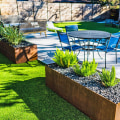
When it comes to enhancing your outdoor living space, patio landscaping plays a pivotal role in creating an inviting atmosphere. This design approach not only focuses on the aesthetic appeal of your patio but also integrates functionality, making it a perfect spot for relaxation and entertainment. Understanding what patio landscaping entails is essential for homeowners looking to transform their outdoor areas into lush, vibrant retreats. At its core, patio landscaping involves the strategic arrangement of plants, hardscapes, and decorative elements to create a cohesive and harmonious environment. The benefits of this practice extend beyond mere beauty; well-planned landscaping can improve air quality, provide shade, and even enhance property value.
By incorporating various plant species, you can introduce color, texture, and life to your patio, making it a more enjoyable space. Moreover, the right selection of plants can help define different areas within your patio, guiding movement and creating intimate settings for gatherings or quiet moments. Whether you prefer vibrant flowers or lush greenery, understanding how to effectively incorporate plants into your patio landscaping will not only elevate the visual appeal but also foster a deeper connection with nature right outside your door.
Choosing the Right Plants for Your Patio
When it comes to patio landscaping, selecting the right plants is essential for creating a vibrant and inviting outdoor space. The ideal plants not only enhance the aesthetic appeal but also thrive in the specific conditions of your patio. Here are some key factors to consider when choosing plants:- Climate: Understand your local climate and choose plants that are well-suited to your region.
For example, if you live in a hot, dry area, consider drought-resistant plants like succulents or lavender.
- Sunlight: Assess how much sunlight your patio receives throughout the day. Some plants require full sun, while others thrive in partial shade. For sunny patios, options like geraniums and petunias work well, whereas ferns and hostas are great for shadier spots.
- Space: Consider the size of your patio and the available space for planting. If you have limited space, opt for vertical gardening solutions or container plants that can be arranged creatively.
- Herbs: Basil, rosemary, and thyme not only add greenery but also provide fresh ingredients for your kitchen.
- Flowering Plants: Marigolds and begonias can add vibrant colors to your patio.
- Tropical Plants: If you want a lush look, consider adding hibiscus or bird of paradise for a tropical feel.
- Foliage Plants: Plants like snake plants or ZZ plants are low-maintenance and can thrive in various light conditions.
Remember to also consider the maintenance requirements of each plant to ensure that your patio remains beautiful with minimal effort.
Designing Your Patio Layout with Plants
When it comes to patio landscaping, the arrangement of plants plays a crucial role in creating an inviting and aesthetically pleasing outdoor space. A well-thought-out patio layout design can transform your patio into a lush retreat. Here are some effective strategies for incorporating plants into your patio design.- Consider Plant Height: Varying the height of your plants can add depth and interest to your patio. Taller plants, such as ornamental grasses or small trees, can serve as a backdrop, while medium-height plants like shrubs can create layers.
Use shorter plants, such as ground covers or flowering annuals, at the front to soften edges.
- Spacing is Key: Ensure that you give each plant enough space to grow. Overcrowding can lead to competition for nutrients and water, which may hinder their growth. A good rule of thumb is to space plants according to their mature size, allowing for air circulation and sunlight penetration.
- Create Focal Points: Use plants to create focal points within your patio layout. This could be a large potted plant, a trellis with climbing vines, or a unique sculpture surrounded by greenery.
Focal points draw the eye and can make your patio feel more cohesive.
- Incorporate Vertical Elements: Consider using vertical planters or wall-mounted pots to maximize space and add visual interest. This is especially useful in smaller patios where ground space is limited.
- Seasonal Variation: Choose a mix of perennials and annuals to ensure that your patio remains vibrant throughout the year. Incorporating seasonal flowers can provide bursts of color and keep the landscape dynamic.
Incorporating Vertical Gardening Techniques
When it comes to patio landscaping, incorporating vertical gardening techniques can be a game-changer, especially for those with limited space.Vertical gardening not only maximizes your planting area but also adds a stunning visual element to your outdoor space.
Utilizing Trellises and Planters
- Trellises are an excellent way to create a vertical garden. They can support climbing plants like ivy, clematis, or roses, which can transform a plain wall into a lush green backdrop.
- Consider using wall-mounted planters that allow you to display a variety of herbs, flowers, or succulents. These planters can be arranged in patterns to create an eye-catching design.
- For a more dynamic look, mix different types of plants in your vertical garden. Combining trailing plants with upright varieties can create depth and interest.
Space-Saving Gardening Ideas
- Vertical garden kits are available that come with everything you need to get started.
These kits often include pockets for soil and plants, making them easy to install on any wall.
- Repurposing old pallets or wooden crates can also serve as unique vertical planters. Simply attach them to a wall and fill them with soil and your favorite plants.
- If you have a railing on your patio, consider using railing planters that hang over the edge. This allows you to grow flowers or herbs without taking up valuable floor space.
Creating a Seasonal Planting Plan
Incorporating a seasonal planting plan into your patio landscaping design is essential for maintaining visual interest and vibrancy throughout the year.By selecting a variety of plants that bloom in different seasons, you can create a dynamic outdoor space that evolves with the changing weather.
Spring
is the perfect time to introduce colorful annuals and perennials. Consider planting pansies, snapdragons, and tulips to bring life back to your patio after winter. These flowers not only add color but also attract pollinators, enhancing the overall ecosystem of your garden.As summer approaches, focus on heat-tolerant plants that can withstand the sun's intensity.
Petunias
, geraniums, and salvia are excellent choices for vibrant summer blooms.Additionally, incorporating herbs like basil and rosemary can provide both beauty and functionality, allowing you to enjoy fresh flavors in your cooking.When autumn arrives, consider transitioning to plants that showcase stunning fall foliage.
Asters
, chrysanthemums, and ornamental grasses can create a warm, inviting atmosphere as the leaves change color. This is also a great time to plant evergreens, which will provide structure and greenery throughout the winter months.Winter
may seem like a challenging season for patio landscaping, but it offers an opportunity to highlight evergreens and winter-blooming plants. Consider adding holly, winter jasmine, or even decorative branches to maintain visual interest during the colder months.To effectively implement your seasonal planting plan, create a planting schedule for patios.
This schedule should outline when to plant each type of flower or shrub based on your local climate and hardiness zone. By planning ahead, you can ensure that your patio remains a beautiful retreat all year long.In summary, a well-thought-out seasonal planting plan not only enhances the aesthetic appeal of your patio landscaping but also fosters a thriving environment for both plants and wildlife. Embrace the changing seasons by selecting diverse plant species that will keep your outdoor space lively and inviting throughout the year.
Maintaining Your Patio Plants
Maintaining your patio plants is essential for creating a vibrant and inviting outdoor space. Proper care not only enhances the aesthetic appeal of your patio landscaping but also ensures that your plants thrive throughout the seasons.Watering Your Patio Plants
One of the most critical aspects of patio plant care is establishing a consistent watering schedule.Here are some tips to keep in mind:
- Check Soil Moisture: Before watering, check the soil moisture by sticking your finger about an inch deep into the soil. If it feels dry, it’s time to water.
- Water Early or Late: To minimize evaporation, water your plants early in the morning or late in the evening.
- Use Drip Irrigation: Consider installing a drip irrigation system for efficient watering, especially for larger patio gardens.
Fertilizing Your Patio Plants
Regular fertilization is vital for healthy growth. Here are some guidelines:- Select the Right Fertilizer: Use a balanced fertilizer that suits the specific needs of your plants. Organic options can be beneficial for container gardens.
- Follow a Schedule: Fertilize during the growing season, typically every 4-6 weeks, to provide essential nutrients.
- Avoid Over-Fertilizing: Too much fertilizer can harm your plants.
Always follow the recommended dosage on the product label.
Pest Control Strategies
Pests can quickly become a problem in patio gardens. Here are some effective strategies to keep them at bay:- Regular Inspections: Check your plants regularly for signs of pests or disease. Early detection is key to effective management.
- Natural Remedies: Use natural pest control methods, such as neem oil or insecticidal soap, to treat infestations without harming beneficial insects.
- Encourage Beneficial Insects: Attract ladybugs and lacewings by planting flowers like marigolds and dill, which can help control pest populations naturally.
Incorporating Hardscaping Elements with Plants
When designing your patio landscaping, integrating hardscaping elements with plants can create a visually appealing and functional outdoor space. Hardscaping refers to the non-plant elements of your landscape, such as stones, pathways, and patios, which can serve as a foundation for your plant selections.Choosing the Right Hardscaping Materials
- Natural Stone: Incorporating natural stone into your patio design can provide a rustic charm.
Use flagstone or slate for pathways that lead to plant beds, creating a seamless transition between hard and soft elements.
- Bricks and Pavers: These materials can be arranged in patterns to define areas within your patio. Consider using them to create borders around flower beds or seating areas, enhancing the overall structure of your landscaping.
- Concrete: A versatile option, concrete can be stamped or stained to mimic other materials. It can serve as a durable base for planters or raised garden beds.
Combining Hardscape and Plants
The key to successful patio landscaping is to ensure that your hardscaping complements your plant choices. Here are some tips:
- Layering: Use varying heights of plants alongside hardscaping features.
Taller plants can be placed behind lower ones, creating depth and interest.
- Color Coordination: Choose plants that harmonize with the colors of your hardscape materials. For instance, if you have warm-toned bricks, consider planting flowers in shades of yellow or orange.
- Texture Contrast: Mix different textures by pairing smooth stones with feathery grasses or bold-leaved plants. This contrast adds visual intrigue to your outdoor space.
Creating Outdoor Living Spaces
Your patio should serve as an extension of your home, providing a comfortable area for relaxation and entertainment. By thoughtfully incorporating hardscaping elements with plants, you can create inviting outdoor living spaces.
Consider adding:
- Seating Areas: Use stone benches or wooden decks surrounded by lush greenery to create cozy nooks.
- Fire Pits: A stone fire pit surrounded by seating can become a focal point, enhanced by strategically placed plants that soften the edges.
- Pathways: Design pathways that guide guests through your garden while connecting different areas of your patio, making it easy to enjoy all aspects of your landscape.
FAQs About Patio Landscaping with Plants
Incorporating plants into your patio landscaping can enhance the aesthetic appeal and create a serene outdoor environment. Here are some frequently asked questions that can help you navigate this process:What types of plants are best for patio landscaping?
When selecting plants for your patio, consider the following:- Climate: Choose plants that thrive in your local climate. For example, succulents are great for dry areas, while ferns may be better suited for humid environments.
- Sunlight: Assess how much sunlight your patio receives. Shade-loving plants like hostas work well in low-light areas, while sun-loving varieties such as lavender thrive in bright conditions.
- Size: Consider the size of your patio.
Smaller spaces may benefit from vertical gardening or container plants, while larger patios can accommodate larger shrubs and trees.
How do I troubleshoot common patio plant issues?
If you encounter problems with your patio plants, here are some common issues and solutions:- Pest infestations: Regularly inspect your plants for pests. Use organic insecticides or introduce beneficial insects like ladybugs to control infestations.
- Overwatering: Ensure proper drainage in pots and avoid watering too frequently. Signs of overwatering include yellowing leaves and root rot.
- Nutrient deficiencies: If your plants appear weak or discolored, consider using a balanced fertilizer to replenish nutrients in the soil.
Conclusion: Bringing Your Patio to Life with Plants
Incorporating plants into your patio landscaping design is not just about aesthetics; it’s about creating a vibrant, inviting space that enhances your outdoor experience. As we’ve explored, the right selection of plants can transform your patio into a lush oasis, providing shade, privacy, and a touch of nature.To summarize the key points discussed:- Choose the Right Plants: Select plants that thrive in your climate and suit the amount of sunlight your patio receives.
Consider using a mix of perennials, annuals, and evergreens for year-round interest.
- Layering and Height Variation: Incorporate plants of varying heights to create depth and visual interest. Taller plants can serve as focal points, while shorter ones can fill in gaps.
- Container Gardening: Utilize pots and containers to add flexibility to your design. This allows you to rearrange plants easily and change the look of your patio with the seasons.
- Incorporate Edibles: Don’t shy away from including herbs and vegetables in your patio landscaping. They not only add beauty but also provide fresh ingredients for your kitchen.
- Consider Maintenance: Choose low-maintenance plants if you have a busy lifestyle.
This ensures that your patio remains beautiful without requiring excessive upkeep.