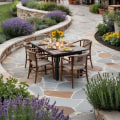
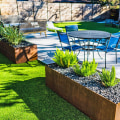
When it comes to patio landscaping, the integration of hardscaping elements can significantly transform your outdoor space into a functional and aesthetically pleasing area. Hardscaping refers to the non-plant elements of landscaping, such as patios, walkways, retaining walls, and decorative stones. These features not only provide structure and organization to your patio but also enhance its overall appeal by creating a harmonious balance between natural and man-made elements. The role of hardscaping in patio landscaping cannot be overstated. It serves as the foundation upon which your outdoor design is built, allowing for creativity and personalization.
By incorporating various hardscape materials like brick, stone, or concrete, you can define different zones within your patio area, such as dining spaces, lounging areas, or pathways that guide guests through your garden. This thoughtful arrangement not only improves functionality but also elevates the visual interest of your landscape. Moreover, the benefits of hardscaping extend beyond mere aesthetics. Hardscape features can help with drainage issues, reduce soil erosion, and minimize maintenance requirements by limiting the amount of grass or plants that need care. Additionally, well-designed hardscaping can increase the value of your property by enhancing curb appeal and creating inviting outdoor spaces that are perfect for entertaining or relaxation.
As you explore the possibilities of patio landscaping, consider how hardscaping can play a pivotal role in achieving your desired outdoor oasis.
Key Hardscaping Elements to Consider for Your Patio
When it comes to patio landscaping, incorporating hardscaping elements can significantly enhance both the functionality and aesthetic appeal of your outdoor space. Here are some key hardscaping elements to consider:- Patios: The foundation of any outdoor living area, patios can be constructed from various materials such as stone, brick, or concrete. Each material offers unique benefits; for instance, stone provides a natural look, while concrete can be molded into various shapes and colors.
- Walkways: Connecting different areas of your patio with walkways not only improves accessibility but also adds visual interest. Consider using pavers or gravel for a rustic feel, or opt for sleek concrete for a modern touch.
- Retaining Walls: These structures can help manage soil erosion while creating tiered levels in your landscape.
Using materials like natural stone or timber, retaining walls can serve as both functional and decorative elements.
- Fire Pits: A fire pit can become the focal point of your patio, providing warmth and ambiance. Choose from options like brick, stone, or even metal designs to complement your overall patio theme.
Designing a Cohesive Look: Integrating Hardscaping with Landscaping
Creating a harmonious outdoor space requires careful consideration of how hardscaping elements interact with your existing patio landscaping.By integrating these components thoughtfully, you can achieve a cohesive design that enhances the overall aesthetic of your patio.
Color Schemes
- Choose hardscaping materials that complement the colors of your plants and flowers. For instance, if your garden features vibrant blooms, consider using neutral-toned stones or pavers to allow the colors to pop.
- Incorporate similar hues in both hardscaping and landscaping. A warm-toned brick patio can pair beautifully with golden-hued flowers, creating a unified look.
Textures
- Mix different textures to add depth to your patio. Smooth stone pavers can contrast nicely with rough-hewn wood elements, such as benches or trellises.
- Consider the texture of your plants as well.
Soft, feathery foliage can soften the hard edges of stone walls or concrete pathways.
Layout and Flow
- Plan the layout of hardscaping features to create natural pathways that guide visitors through your space. This encourages exploration and enhances the overall experience of your patio.
- Ensure that hardscaping elements like patios, walkways, and retaining walls are positioned to frame landscaping features, drawing attention to focal points such as flower beds or water features.
Functional Benefits of Hardscaping in Patio Landscaping
Incorporating hardscaping into your patio landscaping offers numerous functional benefits that can significantly enhance the usability and longevity of your outdoor space. One of the primary advantages is improved drainage.Hardscaping elements such as patios, walkways, and retaining walls can be designed to direct water away from your home, preventing erosion and water damage. This is particularly important in areas prone to heavy rainfall, where proper drainage can protect both your landscaping and your property.Another key benefit is the reduction in maintenance needs. Unlike traditional landscaping, which often requires regular mowing, trimming, and watering, hardscaped areas are much easier to maintain. For instance, a stone or paver patio requires minimal upkeep—just occasional cleaning to remove debris and stains.
This allows homeowners to spend less time on maintenance and more time enjoying their outdoor spaces.Furthermore, hardscaping enhances the overall usability of your patio area. By creating defined spaces for seating, dining, or entertaining, you can maximize the functionality of your outdoor environment. Features like built-in benches, fire pits, or outdoor kitchens not only add aesthetic appeal but also encourage social interaction and outdoor living.
- Improved Drainage: Directs water away from structures.
- Reduced Maintenance: Low upkeep compared to traditional landscaping.
- Enhanced Usability: Creates defined spaces for various activities.
Popular Hardscaping Trends for Modern Patios
Incorporating hardscaping into your patio landscaping can significantly elevate the aesthetic and functionality of your outdoor space.Here are some of the most popular trends that are shaping modern patios today:
- Sustainable Materials: Eco-friendly options like permeable pavers, reclaimed wood, and natural stone are gaining traction. These materials not only reduce environmental impact but also add a unique character to your patio.
- Multifunctional Spaces: Today's patios are designed for versatility. Incorporating features such as built-in seating, fire pits, and outdoor kitchens allows homeowners to maximize their outdoor living experience. This trend encourages the creation of spaces that serve multiple purposes, from entertaining guests to enjoying quiet evenings.
- Innovative Designs: Curved pathways, raised garden beds, and tiered levels are becoming increasingly popular.
These designs break away from traditional rectangular layouts, offering a more dynamic and visually appealing landscape.
- Integrated Lighting: The use of LED lighting in hardscaping elements enhances safety and ambiance. Pathway lights, under-seat lighting, and illuminated water features create a warm atmosphere for evening gatherings.
- Water Features: Incorporating elements like fountains or ponds can add tranquility to your patio. These features not only enhance the visual appeal but also provide soothing sounds that contribute to a relaxing environment.
DIY Hardscaping Projects for Your Patio
Enhancing your patio through hardscaping can significantly improve its functionality and aesthetic appeal.Here are some practical DIY hardscaping projects that you can undertake to transform your outdoor space.
1.Create a Stone Pathway
A stone pathway can guide guests through your patio while adding a rustic charm. Follow these steps:- Plan Your Path: Decide on the pathway's route and width.
- Gather Materials: Choose stones or pavers that complement your patio.
- Excavate the Area: Remove grass and soil to a depth of about 4 inches.
- Add a Base: Fill the area with gravel for drainage.
- Lay the Stones: Place stones in your desired pattern, ensuring they are level.
- Fill Gaps: Use sand or soil to fill in the spaces between stones.
2.Build a Fire Pit
A fire pit can serve as a focal point for gatherings. Here’s how to build one:- Select a Location: Choose a safe, flat area away from flammable materials.
- Gather Materials: Use bricks or stones designed for high heat.
- Create a Base: Dig a circular hole about 12 inches deep and 3 feet wide.
- Lay the First Layer: Arrange bricks in a circle, ensuring they fit snugly.
- Add Additional Layers: Stack more layers, staggering the joints for stability.
- Add Seating: Incorporate benches or chairs around the fire pit for comfort.
3.Install a Retaining Wall
A retaining wall can help define your patio space and prevent soil erosion. Here’s how to do it:- Measure and Mark: Determine where you want the wall and mark the area.
- Dig a Trench: Excavate a trench about 6 inches deep and twice as wide as your blocks.
- Add Gravel Base: Pour gravel into the trench for drainage and compact it down.
- Lay the First Course: Place the first row of blocks, ensuring they are level.
- Add Subsequent Courses: Continue stacking, using adhesive if necessary for stability.
With these step-by-step guides, you can confidently tackle these projects and enjoy your newly transformed patio!
Hiring Professionals vs. DIY: What’s Best for Your Patio?
When it comes to enhancing your patio landscaping through hardscaping, one of the first decisions you'll face is whether to hire professionals or tackle the project yourself. Each option has its own set of advantages and challenges that can significantly impact the outcome of your patio.Pros of Hiring Professionals
- Expertise: Professionals bring a wealth of experience and knowledge to the table. They understand the nuances of design, materials, and installation techniques that can elevate your patio's aesthetic and functionality.
- Time-Saving: Hiring experts allows you to save time.
They can complete projects more quickly than most DIYers, ensuring your patio is ready for use sooner.
- Quality Assurance: Professionals often provide warranties on their work, giving you peace of mind that any issues will be addressed without additional costs.
Cons of Hiring Professionals
- Cost: The most significant drawback is the expense. Professional services can be costly, depending on the complexity of the project and the materials used.
- Lack of Personal Touch: While professionals can create stunning designs, they may not always capture your personal vision as accurately as you would.
Pros of DIY Hardscaping
- Cost-Effective: Taking a DIY approach can significantly reduce labor costs, allowing you to allocate more budget towards high-quality materials.
- Personal Satisfaction: Completing a project on your own can be incredibly rewarding. You’ll have a sense of ownership over your patio landscaping.
- Flexibility: DIY allows you to work at your own pace and make changes as you go without needing to consult with a professional.
Cons of DIY Hardscaping
- Skill Level: If you're not experienced in hardscaping, you may encounter challenges that could lead to mistakes or subpar results.
- Time-Intensive: DIY projects often take longer than anticipated, especially if you're learning as you go.
Maintaining Your Hardscape Features for Longevity
To ensure the longevity of your hardscape features in patio landscaping, regular maintenance is essential.By implementing a few simple care routines, you can keep your outdoor spaces looking pristine and functional for years to come.
Cleaning Methods
Start with a thorough cleaning of your hardscape surfaces. Use a broom or leaf blower to remove debris such as leaves and dirt. For more stubborn stains, consider the following:- Pressure washing: This method is effective for cleaning patios made of concrete, stone, or brick. Be cautious with the pressure settings to avoid damaging the surface.
- Soap and water: For routine cleaning, a mixture of mild soap and water can help remove grime without harming the materials.
- Specialized cleaners: For specific materials like natural stone, use cleaners designed for that type to prevent etching or discoloration.
Seasonal Care Routines
Different seasons bring unique challenges for hardscape maintenance.Here are some seasonal tips:
- Spring: Inspect for winter damage and clean thoroughly. Reapply sealants if necessary to protect against moisture.
- Summer: Regularly check for weeds and remove them promptly. Consider applying a weed barrier to prevent future growth.
- Fall: Clear fallen leaves and debris to prevent mold growth. This is also a good time to check for cracks or shifting in your hardscape features.
- Winter: Use sand or kitty litter instead of salt on icy surfaces to avoid damage.
Regularly clear snow to prevent excessive weight on your hardscape.
Repair Advice
If you notice any cracks or shifting in your hardscape features, address them immediately to prevent further damage. For minor cracks, use a concrete patching compound or sand mix for stone surfaces. If larger issues arise, consider consulting a professional to assess the situation and recommend appropriate repairs.By following these maintenance tips, you can enhance the durability and aesthetic appeal of your hardscape features, ensuring that your patio landscaping remains inviting and functional throughout the seasons.Conclusion: Transforming Your Patio with Thoughtful Hardscaping Choices
In conclusion, hardscaping plays a pivotal role in enhancing your patio landscaping, offering both aesthetic appeal and functional benefits. By integrating various hardscape elements, you can create a cohesive outdoor space that reflects your personal style while maximizing usability. Consider the following key points when planning your hardscaping:- Material Selection: Choose materials that complement your home’s architecture and the natural surroundings.
Options like stone, brick, and concrete can provide durability and visual interest.
- Layout and Design: A well-thought-out layout can define spaces within your patio. Use pathways, retaining walls, and raised beds to create distinct areas for dining, lounging, or gardening.
- Functionality: Think about how you intend to use your patio. Incorporating features like built-in seating or fire pits can enhance comfort and encourage outdoor gatherings.
- Maintenance Considerations: Select hardscaping materials that are easy to maintain and weather-resistant to ensure longevity and reduce upkeep efforts.
Take the time to explore your options, and don’t hesitate to consult with professionals if needed. Your dream patio is just a thoughtful design away!.