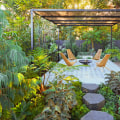
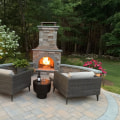
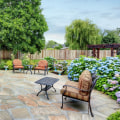
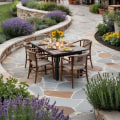
Creating a private oasis in your outdoor space is essential for enhancing the overall experience of patio landscaping. Privacy not only provides a sense of security but also allows you to enjoy your patio without the feeling of being exposed to the outside world. In today’s fast-paced environment, where urban living often means close proximity to neighbors, establishing a secluded area can transform your patio into a personal retreat. The importance of privacy in patio landscaping cannot be overstated. It fosters an atmosphere where you can unwind, entertain guests, or simply enjoy a quiet moment with a book.
When you incorporate elements that enhance privacy, such as strategic plantings or decorative screens, you create a more inviting and comfortable environment. This not only elevates your outdoor experience but also increases the functionality of your space. Moreover, the benefits of privacy in outdoor spaces extend beyond mere aesthetics. A well-designed private patio can serve as an extension of your home, allowing for various activities like dining al fresco or hosting gatherings without the worry of prying eyes. Additionally, privacy features can help reduce noise pollution from nearby streets or neighbors, making your outdoor area a peaceful sanctuary.
By prioritizing privacy in your patio landscaping, you are investing in both your comfort and the value of your property.
Natural Barriers: Using Plants for Privacy
Creating a sense of privacy in your patio landscaping can be effectively achieved through the strategic use of plants. Not only do they provide a natural barrier, but they also enhance the aesthetic appeal of your outdoor space.Trees are one of the most effective options for establishing privacy. Fast-growing varieties such as Leyland cypress or arborvitae can quickly form a dense screen. These trees can reach impressive heights, making them ideal for blocking out unwanted views from neighboring properties.Shrubs also play a crucial role in creating privacy.Consider planting a mix of evergreen shrubs like boxwood or holly, which maintain their foliage year-round. For added texture and color, incorporate flowering shrubs such as hydrangeas or lilacs. A well-planned arrangement can create a layered effect that not only provides privacy but also adds visual interest. If you have limited space, climbing plants can be an excellent solution. Installing trellises or arbors allows you to grow vines like wisteria, clematis, or jasmine.
These plants can quickly cover vertical structures, creating a lush green wall that enhances both privacy and beauty. In addition to their functional benefits, using plants for privacy contributes to a more sustainable environment. They improve air quality, provide habitats for wildlife, and can even help reduce noise pollution. When selecting plants for your patio landscaping, consider factors such as climate, soil type, and sunlight exposure to ensure they thrive in your specific conditions. In summary, incorporating trees, shrubs, and climbing plants into your patio landscaping not only creates effective natural privacy screens but also enriches the overall ambiance of your outdoor space.
Hardscaping Solutions: Fences and Walls
When it comes to patio landscaping, incorporating hardscaping elements like fences and walls can significantly enhance your outdoor privacy. These structures not only serve as barriers but also add aesthetic value to your space.Fences for Patio Privacy
Choosing the right fence is crucial for achieving the desired level of privacy.Here are some popular materials:
- Wood Fences: Classic and versatile, wood fences can be customized in height and design. Opt for taller panels to block sightlines effectively.
- Vinyl Fences: Durable and low-maintenance, vinyl fences come in various styles and colors, providing a modern look while ensuring privacy.
- Metal Fences: For a contemporary feel, consider metal options like aluminum or wrought iron. These can be combined with climbing plants for added coverage.
Garden Walls
In addition to fences, garden walls can create a more permanent solution for privacy. Here are some ideas:- Stone Walls: Natural stone walls blend beautifully with landscaping and provide excellent sound insulation along with visual privacy.
- Brick Walls: A brick wall can add a classic touch to your patio while offering substantial privacy.
You can also incorporate niches for plants or decorative elements.
Trellises and Vertical Gardens
If you prefer a softer approach, consider using trellises or vertical gardens. These structures can be adorned with climbing plants such as:- Clematis: Known for its beautiful flowers, clematis can quickly cover a trellis, creating a lush green barrier.
- Ivy: Fast-growing and hardy, ivy is perfect for creating a dense privacy screen.
Creating Vertical Space: Pergolas and Gazebos
When it comes to enhancing patio landscaping for both aesthetics and privacy, incorporating vertical structures like pergolas and gazebos can be a game changer. These features not only create a sense of enclosure but also add an element of style to your outdoor space.Pergolas for Patio Privacy
Pergolas are open structures that can be designed to provide partial privacy while allowing light and air to flow through.By strategically placing climbing plants or vines on the beams, you can create a natural screen that enhances your patio's privacy. Consider using fast-growing plants like wisteria or clematis, which can quickly cover the structure and provide a lush, green backdrop.
Gazebos in Landscaping
Gazebos, on the other hand, offer a more enclosed option for privacy. These freestanding structures can be designed with solid walls or lattice panels that allow for some visibility while still creating a secluded atmosphere. Adding curtains or shades can further enhance the privacy factor, making it an ideal spot for relaxation or entertaining guests.Vertical Structures for Outdoor Spaces
In addition to pergolas and gazebos, consider other vertical elements such as trellises, fences, or even tall planters filled with dense foliage.These features can help define your patio space and block out unwanted views from neighbors or passersby. When selecting materials, opt for weather-resistant options like treated wood or metal to ensure durability.Ultimately, the key to successful patio landscaping lies in balancing functionality with aesthetics. By incorporating vertical structures, you can create a private oasis that enhances your outdoor living experience while adding visual interest to your landscape design.
Using Outdoor Fabrics: Curtains and Screens
Creating a private oasis in your outdoor space can be easily achieved with the use of outdoor fabrics such as curtains and screens. These elements not only enhance the aesthetic appeal of your patio landscaping but also provide flexible solutions for privacy that can be adjusted according to your needs.Outdoor Curtains for Privacy
- Material Selection: Choose weather-resistant fabrics like acrylic or polyester that can withstand the elements while maintaining their color and texture.
- Design Options: Opt for solid colors or patterns that complement your existing decor.
Light-filtering options can provide privacy while still allowing natural light to filter through.
- Installation: Use a sturdy curtain rod or wire system to hang your curtains. This allows for easy opening and closing, giving you control over your privacy level.
Fabric Screens for Patios
- Versatility: Fabric screens can be used as room dividers or to block views from neighbors. They can be freestanding or attached to existing structures.
- Customization: Consider custom sizes and designs that fit your specific patio layout. You can even incorporate artwork or patterns that reflect your personal style.
- Mobility: Many fabric screens are lightweight and portable, allowing you to reposition them as needed for different occasions or seasons.
Using Textiles in Landscaping
The integration of textiles into your patio landscaping not only serves functional purposes but also adds a layer of comfort and style.
By incorporating outdoor fabrics, you can create a cozy atmosphere that invites relaxation and social gatherings. Whether you choose flowing curtains or structured screens, these elements can transform your patio into a private retreat, making it an ideal space for entertaining or unwinding after a long day.
Water Features: Sound Barriers for Enhanced Privacy
Incorporating water features into your patio landscaping not only enhances the visual appeal of your outdoor space but also serves as an effective sound barrier, promoting a sense of privacy. The soothing sounds of flowing water can mask unwanted noise from nearby streets or neighbors, creating a tranquil environment.Here are some popular water features to consider:- Fountains: A well-placed fountain can act as a focal point in your patio while providing the gentle sound of trickling water. Choose from wall-mounted options or free-standing designs that suit your style.
- Ponds: A small pond can create a serene atmosphere and attract wildlife, such as birds and butterflies.
Adding aquatic plants can further enhance the natural feel and provide additional sound absorption.
- Waterfalls: If you have the space, a waterfall can be a stunning addition. The cascading water not only looks beautiful but also produces a white noise effect that drowns out disruptive sounds.
By carefully selecting and positioning these elements, you can transform your outdoor space into a peaceful retreat that feels private and inviting.
Lighting Considerations: Enhancing Privacy at Night
When it comes to patio landscaping, lighting plays a crucial role in enhancing both privacy and ambiance, especially at night. By strategically placing outdoor lighting, you can create a cozy atmosphere while ensuring that your outdoor space feels secluded from prying eyes.Layered Lighting Techniques
One effective approach is to use a combination of layered lighting. This involves incorporating different types of lights to achieve a balanced effect:- Ambient Lighting: Soft, diffused lighting can create a warm glow that envelops the patio area. Consider using wall sconces or string lights to provide general illumination without being overly bright.
- Task Lighting: For specific areas like dining tables or seating arrangements, use focused lights such as pendant lights or lanterns.
This not only enhances functionality but also adds to the overall aesthetic.
- Accent Lighting: Highlighting features such as plants, sculptures, or water elements with spotlights can draw attention away from the surrounding area, creating a sense of enclosure.
Strategic Placement for Privacy
The placement of your lights is just as important as the type of lighting you choose. Here are some tips for positioning your outdoor lights:- Shielding Views: Position lights in a way that they illuminate your patio without shining directly into neighboring properties. This can be achieved by placing lights lower to the ground or using fixtures that direct light downward.
- Creating Shadows: Use taller plants or structures to cast shadows that obscure sightlines. By illuminating these features, you can enhance the feeling of privacy while still enjoying the beauty of your landscape.
- Pathway Lighting: Installing lights along pathways leading to your patio can create a welcoming atmosphere while also guiding guests safely through your outdoor space.
With thoughtful design and strategic placement, you can transform your outdoor area into a serene retreat that feels both safe and inviting after dark.
DIY Ideas for Creating Privacy on a Budget
Creating a private oasis in your patio doesn’t have to be expensive. With a little creativity and effort, you can implement budget-friendly patio privacy ideas that enhance your outdoor space. Here are some practical DIY landscaping solutions to consider:- Vertical Gardens: Use trellises or wooden pallets to create vertical gardens. Plant climbing vines like clematis or morning glories that will grow upwards, providing natural privacy while adding greenery.
- Outdoor Curtains: Hang outdoor curtains on a simple rod or wire.
Choose weather-resistant fabric in colors that complement your patio decor. This not only adds privacy but also creates a cozy atmosphere.
- Potted Plants: Arrange tall potted plants or shrubs around the perimeter of your patio. Options like bamboo, boxwood, or even ornamental grasses can act as effective natural barriers.
- Wooden Screens: Build a simple wooden screen using reclaimed wood or pallets. Stain or paint it to match your patio theme, and place it strategically to block views from neighbors.
- Hanging Planters: Install hanging planters filled with trailing plants.
These can be hung from overhead structures or hooks, creating a lush canopy that adds both beauty and privacy.
- Privacy Fences: If you have some basic carpentry skills, consider building a low-cost fence using treated wood or vinyl panels. This can be customized to fit your style and needs.
Maintaining Your Privacy Solutions: Tips and Tricks
To ensure that your patio landscaping privacy solutions remain effective and visually appealing, regular maintenance is essential. Here are some practical tips to help you maintain your privacy features:Care Tips for Plants
- Regular Pruning: Keep hedges and shrubs well-trimmed to maintain their shape and density.
This not only enhances their appearance but also ensures they provide optimal privacy.
- Watering Schedule: Establish a consistent watering routine, especially during dry spells. Healthy plants are more effective at creating natural barriers.
- Pest Control: Monitor your plants for pests and diseases. Early intervention can prevent damage that may compromise their ability to provide privacy.
Upkeep of Structures
- Inspect Fences and Screens: Regularly check for any damage or wear. Repair or replace sections as needed to maintain a solid barrier against prying eyes.
- Cleaning: Keep outdoor privacy structures like trellises and pergolas clean from dirt, mold, and mildew.
A simple wash with soap and water can enhance their longevity.
- Staining and Sealing: For wooden structures, apply a protective stain or sealant every few years to prevent rot and weathering, ensuring they remain sturdy and attractive.
Conclusion: Crafting Your Private Oasis in Patio Landscaping
In conclusion, creating a private oasis through patio landscaping is not only achievable but essential for enhancing your outdoor living experience. By implementing the strategies discussed, you can transform your patio into a serene retreat that offers both beauty and seclusion. To recap, consider the following key elements:- Vertical Structures: Incorporating trellises, pergolas, or fences can significantly enhance privacy while adding architectural interest to your space.
- Natural Barriers: Planting dense shrubs, trees, or using tall grasses can create a natural screen that blocks unwanted views and noise.
- Strategic Furniture Placement: Arranging furniture to create intimate seating areas can foster a sense of enclosure and comfort.
- Outdoor Curtains: Installing outdoor drapes or shades can provide flexibility in privacy while allowing you to control sunlight and airflow.
By thoughtfully selecting plants, structures, and furnishings, you can cultivate an inviting atmosphere that encourages relaxation and enjoyment. Embrace these ideas to craft your own private oasis where you can unwind and connect with nature in peace.