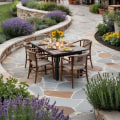
Creating a beautiful and functional outdoor space is a common goal for many homeowners, especially when it comes to patio landscaping. However, one of the most significant challenges faced in designing these areas is achieving a harmonious balance between privacy and natural light. While you may desire a secluded retreat to unwind and enjoy your surroundings, blocking out too much sunlight can lead to a dark and uninviting atmosphere. Understanding how to navigate this delicate equilibrium is essential for maximizing the enjoyment of your patio. When considering your patio landscape, it’s important to recognize that privacy doesn’t have to come at the expense of light.
There are numerous innovative solutions that allow you to create intimate spaces while still welcoming the sun’s rays. For instance, strategically placed plants, trellises, or decorative screens can provide visual barriers without completely obstructing light. By incorporating elements that filter sunlight rather than block it, you can maintain an airy feel while enjoying the seclusion you desire. Moreover, the design of your outdoor space should reflect your personal style and lifestyle needs. Whether you prefer lush greenery or minimalist aesthetics, understanding how different materials and layouts affect both privacy and light can help you make informed decisions.
As we delve deeper into this topic, we will explore various techniques and ideas that can transform your patio into a private oasis that remains bright and inviting.
The Importance of Privacy in Outdoor Spaces
Creating a sense of privacy in your patio landscape is not just about aesthetics; it plays a crucial role in enhancing your overall outdoor experience. Privacy in outdoor spaces can significantly impact your emotional well-being, allowing you to relax and enjoy your surroundings without the feeling of being exposed to the outside world.When you have a private patio, you can engage in activities such as reading, meditating, or entertaining guests without the worry of prying eyes. This sense of seclusion fosters a more intimate atmosphere, making your outdoor space feel like an extension of your home.Benefits of Privacy in Patios
- Emotional Comfort: A private patio provides a sanctuary where you can unwind and recharge, free from distractions.
- Enhanced Enjoyment: With privacy, you can fully enjoy outdoor meals, gatherings, or quiet moments without feeling self-conscious.
- Increased Property Value: Well-designed outdoor spaces that offer privacy can enhance the appeal and value of your home.
- Improved Safety: A secluded patio can deter unwanted attention and provide a safer environment for children and pets.
By thoughtfully designing your outdoor space, you can enjoy the best of both worlds: a private retreat that remains bright and inviting.
Designing Your Patio for Maximum Natural Light
When it comes to patio landscaping, achieving a balance between privacy and natural light is essential for creating an inviting outdoor space. Here are some effective design principles to consider:- Use Vertical Elements Wisely: Incorporate tall plants or trellises with climbing vines that can provide vertical privacy without obstructing light. Choose species that allow sunlight to filter through, such as clematis or jasmine.
- Opt for Open-Frame Structures: Consider pergolas or arbors that offer partial shade while still allowing sunlight to penetrate. These structures can be adorned with translucent fabric or light-filtering panels to enhance privacy without sacrificing brightness.
- Strategic Plant Placement: Position shrubs and ornamental grasses at the edges of your patio.
This creates a natural barrier while keeping the center of the space open and airy. Select plants with a lighter foliage color to reflect more light.
- Incorporate Reflective Surfaces: Use materials like glass, mirrors, or polished stone in your patio design. These elements can bounce light around the space, making it feel larger and brighter while maintaining a sense of enclosure.
- Layered Lighting: Integrate various lighting sources, such as string lights or lanterns, to enhance the ambiance during evening hours. This not only adds warmth but also highlights the beauty of your patio landscaping.
Remember, the key is to maintain an open atmosphere while using design features that provide both comfort and style.
Effective Landscaping Techniques for Privacy Without Blocking Light
Creating a sense of privacy in your patio landscape while still allowing natural light to filter through can be achieved through a variety of landscaping techniques. Here are some effective methods to consider:- Layered Planting: Utilize a mix of tall and short plants to create a natural barrier. Taller plants, such as ornamental grasses or evergreen shrubs, can provide height without blocking light, while shorter plants can fill in the gaps.
- Deciduous Trees: Planting deciduous trees around your patio can offer seasonal privacy. In summer, their lush foliage provides shade and seclusion, while in winter, they allow sunlight to penetrate.
- Vertical Gardens: Consider installing a vertical garden or living wall.
This not only adds greenery but also serves as a privacy screen without obstructing light. Choose climbing plants like ivy or clematis that can thrive in vertical spaces.
- Fencing Options: If you prefer a more structured approach, opt for fencing options that maintain openness. Lattice panels or slatted fences can provide privacy while allowing light to pass through. You can also enhance these structures with climbing plants for added greenery.
- Decorative Screens: Use decorative outdoor screens made from materials like bamboo or metal.
These can be strategically placed to block views while still permitting light to filter through.
- Bamboo: Fast-growing and tall, bamboo can create an effective privacy screen.
- Boxwood: This evergreen shrub is versatile and can be shaped to fit your desired aesthetic.
- Pyracantha: Known for its thorny branches and dense foliage, it provides both privacy and security.
Using Vertical Elements to Create Privacy
Creating a sense of privacy in your patio landscape can be achieved effectively through the use of vertical elements. These features not only enhance the aesthetic appeal of your outdoor space but also allow for natural light to filter through, maintaining an open and airy feel.Trellises
are a popular choice for adding verticality to your patio. They can be strategically placed to block views from neighbors while still permitting sunlight to shine through.Consider using a trellis adorned with climbing plants such as clematis or jasmine, which will provide lush greenery and fragrant blooms without completely obstructing light.Another option is to incorporate vertical gardens. These living walls can be designed with a variety of plants, creating a stunning backdrop that offers both privacy and beauty. Vertical gardens can be customized to fit any space, allowing you to choose plants that thrive in your specific climate while also ensuring they do not block out too much light.
- Choose the Right Plants: Opt for plants that grow vertically rather than spreading outwards. This will help maintain an open feel while providing coverage.
- Layering: Use a combination of tall and shorter plants to create depth and interest, ensuring that light can still penetrate through the layers.
- Seasonal Interest: Select a mix of evergreen and seasonal plants to keep your vertical elements vibrant throughout the year.
These can provide privacy without completely blocking out sunlight. By incorporating these vertical landscaping techniques, you can create a serene patio environment that feels secluded yet bright and welcoming.
Incorporating Transparent or Semi-Transparent Materials
Creating a sense of privacy in your patio landscape while maintaining an abundance of natural light can be achieved through the use of transparent or semi-transparent materials. These materials not only serve as effective barriers but also allow sunlight to filter through, enhancing the overall ambiance of your outdoor space.Transparent Materials for Patios
One popular option is the use of glass panels. These panels can be installed as fencing or as part of a patio enclosure.They provide an unobstructed view of your surroundings while effectively blocking wind and prying eyes. Additionally, glass panels are available in various styles, including frosted or tinted options, which can add a touch of elegance while still allowing light to permeate.
Semi-Transparent Fencing
Semi-transparent fencing is another excellent choice for achieving privacy without sacrificing light. Materials such as acrylic or polycarbonate can be used to create fences that diffuse light beautifully. These materials are durable and weather-resistant, making them ideal for outdoor use.They come in various colors and textures, allowing you to customize your patio landscape according to your aesthetic preferences.
Incorporating Natural Elements
In addition to manufactured materials, consider incorporating natural elements like tall grasses or climbing plants. These can be trained to grow along transparent trellises or glass panels, providing a lush green backdrop that enhances privacy while still allowing sunlight to filter through. This combination of natural and man-made elements creates a harmonious balance in your patio landscape.Ultimately, the key to successfully using transparent or semi-transparent materials lies in thoughtful design. By strategically placing these elements, you can create cozy nooks that feel private yet remain bright and inviting.Whether you opt for sleek glass panels or softening natural foliage, the right choices will transform your patio into a serene retreat.
Strategic Plant Placement for Privacy and Light Balance
Creating a sense of privacy in your patio landscape while still allowing natural light to filter through can be achieved through strategic plant placement. By carefully selecting and positioning trees, shrubs, and other plants, you can design a space that feels secluded yet open.1.Layering Plants
- Tall Trees: Start with taller trees at the back of your patio area. Choose species that have a loose canopy, allowing light to pass through while providing height for privacy.
- Medium Shrubs: In front of the trees, plant medium-sized shrubs. These should be dense enough to block views but not so tall that they obstruct sunlight.
Consider options like boxwoods or hydrangeas.
- Low Ground Cover: Finally, use low-growing plants or ground cover in the foreground. This will help create a layered effect and maintain an open feel while enhancing the overall aesthetic.
2.Utilizing Angles
Positioning plants at angles rather than in straight lines can create a more natural look and improve light penetration. For instance, place taller plants at the corners of your patio and angle shorter plants towards the center. This not only enhances privacy but also allows sunlight to reach all areas of your patio.
3.Incorporating Vertical Elements
Consider using vertical elements such as trellises or arbors adorned with climbing plants.
These structures can provide additional privacy without blocking light. Plants like wisteria or clematis can grow upwards, creating a beautiful green wall that filters sunlight.
4.Seasonal Considerations
Selecting a mix of evergreen and deciduous plants can help maintain privacy year-round while allowing seasonal sunlight changes to influence your patio's ambiance. Evergreens provide consistent coverage, while deciduous plants can offer more light during winter months when they shed their leaves.By thoughtfully considering plant placement and incorporating various heights and angles, you can achieve a harmonious balance between privacy and natural light in your patio landscaping.
Utilizing Outdoor Furniture and Accessories for Privacy Enhancement
Creating a sense of privacy in your patio landscape can be achieved effectively through the strategic use of outdoor furniture and accessories. By thoughtfully arranging these elements, you can enhance your outdoor space while still allowing natural light to flow freely.Furniture Arrangement
- Sectional sofas or curved seating can create intimate areas that feel cozy and secluded.
Positioning these pieces away from the main thoroughfare of your patio can help establish a more private nook.
- Consider using outdoor rugs to define spaces. A well-placed rug can visually separate different areas, making them feel more personal without obstructing light.
- Incorporate folding screens or privacy panels made from natural materials like bamboo or wood. These can be easily moved and provide a flexible solution for creating privacy when needed.
Accessorizing for Privacy
- Potted plants and tall planters filled with lush greenery can act as natural barriers. Choose plants that thrive in your climate and require minimal maintenance to keep your space looking fresh.
- Add outdoor curtains to pergolas or gazebos.
These can be drawn closed for privacy while still allowing light to filter through, creating a soft, inviting atmosphere.
- Lattice panels, adorned with climbing vines or flowers, not only enhance privacy but also add aesthetic appeal to your patio landscape.
FAQs About Patio Landscaping for Privacy and Light Management
Creating a private yet light-filled patio can be a challenge, but many homeowners have successfully navigated this balance. Here are some frequently asked questions regarding patio landscaping that focus on achieving privacy without sacrificing natural light.- What are some effective ways to create privacy on my patio?
Consider using tall plants or decorative screens. Plants like bamboo or tall grasses can provide a natural barrier while still allowing light to filter through.Additionally, using lattice panels with climbing vines can enhance privacy without completely blocking sunlight.
- Can I use outdoor curtains for privacy?
Yes! Outdoor curtains are a versatile option. They can be drawn when you need privacy and opened to let in light. Choose light-colored fabrics that allow some sunlight to pass through while still providing a sense of enclosure. - What types of furniture can help with privacy?
Opt for sectional sofas or privacy screens that can be strategically placed to create cozy nooks. These not only offer comfort but also help define spaces within your patio. - How can I incorporate lighting without compromising privacy?
Use soft, ambient lighting such as string lights or lanterns that can be hung above seating areas.This creates a warm atmosphere while maintaining the feeling of privacy.
- Are there specific plants that work best for privacy?
Yes, consider using evergreen shrubs like boxwood or holly, which provide year-round coverage. Additionally, flowering plants like hydrangeas can add beauty while serving as a natural screen.
Conclusion: Achieving Your Ideal Patio Landscape Balance
In conclusion, achieving a harmonious balance between privacy and natural light in your patio landscaping is not only possible but essential for creating a comfortable outdoor space. By implementing the strategies discussed, you can enjoy the beauty of your patio while maintaining a sense of seclusion. To recap, consider the following key points:- Layered Planting: Use a combination of tall plants, shrubs, and ground cover to create natural barriers that provide privacy without obstructing light.
- Strategic Hardscaping: Incorporate features like trellises or decorative screens that can offer privacy while allowing sunlight to filter through.
- Translucent Materials: Opt for materials such as frosted glass or sheer curtains that can shield your space from prying eyes while still letting in ample light.
- Vertical Gardens: Consider vertical gardening solutions that not only enhance privacy but also add greenery and texture to your patio.
Remember, the right balance will enhance your outdoor experience, making your patio a true extension of your home.