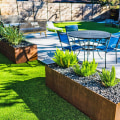
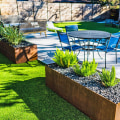
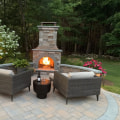
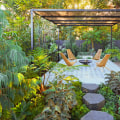
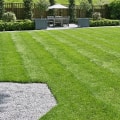
When embarking on a journey to enhance your outdoor living area, understanding your patio space is the first step toward creating a harmonious and functional environment. The dimensions of your patio play a pivotal role in determining the type and size of furniture that will best suit the area. A well-measured patio allows you to visualize how different pieces will fit together, ensuring that you don’t overcrowd the space or leave it feeling sparse. Begin by assessing the patio layout. Consider the shape of your patio—whether it’s rectangular, square, or an irregular shape—and how this influences furniture arrangement.
For instance, a long, narrow patio may benefit from a linear arrangement of seating, while a more expansive area could accommodate a cozy conversation nook or dining set. Additionally, think about how you plan to use the space. Will it be primarily for entertaining guests, relaxing with family, or perhaps both? This understanding will guide your choices in furniture style and arrangement. Moreover, take into account any existing features such as landscaping elements, pathways, or outdoor structures that may impact your design. These factors can dictate where furniture should be placed to maintain flow and accessibility.
By carefully considering these aspects of your patio landscaping, you can create an inviting atmosphere that not only looks great but also serves your lifestyle needs.
Material Matters: Choosing the Right Furniture Materials
When it comes to patio landscaping, the choice of furniture materials plays a crucial role in both aesthetics and functionality. Selecting the right materials can enhance the beauty of your outdoor space while ensuring durability and ease of maintenance.Common Patio Furniture Materials
- Wood: Classic and timeless, wood furniture offers warmth and natural beauty. However, it requires regular maintenance, such as sealing and staining, to protect against moisture and UV damage. Teak and cedar are popular choices due to their natural resistance to decay.
- Metal: Aluminum and wrought iron are common metal options.
Aluminum is lightweight, rust-resistant, and requires minimal maintenance, making it ideal for weather-resistant furniture. Wrought iron, while heavier and more durable, may need periodic rust treatment.
- Plastic and Resin: These materials are often used for their affordability and low maintenance. They are resistant to fading and moisture, making them suitable for various weather conditions. However, they may lack the aesthetic appeal of natural materials.
- Fabric: Outdoor fabrics like acrylic or polyester are essential for cushions and upholstery.
Look for fade-resistant and water-repellent options to ensure longevity in outdoor settings.
Durability and Maintenance Considerations
When selecting patio furniture, consider how much wear and tear it will endure. For high-traffic areas or homes with children and pets, opt for materials that can withstand rough use. Additionally, think about the climate in your area; materials that perform well in humid environments may not be suitable for dry climates.Maintenance is another critical factor. While some materials require regular upkeep, others can simply be wiped down or hosed off.For instance, metal furniture may need occasional rust prevention treatments, while wood will require more frequent care to maintain its appearance.Ultimately, the right choice of materials will not only complement your patio landscaping but also provide a comfortable and inviting outdoor space that you can enjoy for years to come.
Style and Aesthetics: Matching Furniture with Landscape Design
When it comes to patio landscaping, the style and aesthetics of your furniture play a crucial role in creating a cohesive outdoor environment. Selecting the right furniture not only enhances the visual appeal of your patio but also complements the overall landscape design theme.Understanding Patio Furniture Styles
There are various patio furniture styles to consider, each offering a unique look and feel. For instance, if your landscape design leans towards a modern theme, sleek metal or minimalist furniture can create a striking contrast against lush greenery. Conversely, if your space embraces a rustic charm, wooden or wicker furniture can harmonize beautifully with natural elements.Aligning with Landscape Design Themes
Your choice of furniture should reflect the landscape design theme you have chosen.For tropical landscapes, vibrant colors and bold patterns can enhance the exotic feel, while Mediterranean designs may benefit from terracotta or wrought iron pieces that echo the region's architectural style. Consider how each piece contributes to the overall atmosphere you wish to create.
Color Coordination
Color coordination is another vital factor in selecting patio furniture. Aim for hues that either complement or contrast with your existing landscape elements. For example, if your garden features rich greens and floral bursts, opting for neutral-toned furniture can provide a calming balance.Alternatively, bright-colored furniture can serve as eye-catching focal points amidst a more subdued backdrop.
Enhancing Visual Appeal
The ultimate goal of choosing patio furniture is to enhance the visual appeal of your outdoor space. Consider the scale and proportion of your furniture in relation to your patio size and surrounding landscape. Oversized pieces may overwhelm a small area, while too-small items can get lost in a larger setting. Additionally, incorporating various textures—such as soft cushions on metal frames or natural fibers—can add depth and interest to your patio.In summary, when selecting furniture for your patio landscape, focus on styles that align with your design theme, ensure color harmony, and prioritize visual balance to create an inviting outdoor oasis.Comfort and Functionality: Prioritizing User Experience
When it comes to patio landscaping, the selection of furniture plays a crucial role in enhancing both comfort and functionality.Choosing the right pieces can transform your outdoor space into a welcoming retreat that caters to various activities.
Comfortable Patio Furniture
First and foremost, comfortable patio furniture is essential for creating an inviting atmosphere. Look for seating options that offer ample cushioning and ergonomic support. Materials such as high-quality wicker, teak, or aluminum with weather-resistant cushions can provide both durability and comfort. Consider adding throw pillows or outdoor rugs to enhance the coziness of your seating area.Functionality in Design
Functionality should also be a key consideration when selecting patio furniture.Think about how you plan to use your outdoor space. Will it be primarily for entertaining guests, family gatherings, or quiet relaxation? For social settings, opt for modular seating arrangements that can be easily reconfigured to accommodate different group sizes. A combination of sofas, chairs, and ottomans can create a versatile layout that adapts to your needs.
Seating Arrangements for Outdoor Activities
In addition to comfort and functionality, consider the types of outdoor activities you enjoy. If you frequently host barbecues or outdoor dinners, a large dining table with comfortable chairs is essential.For those who prefer lounging with a book or enjoying a glass of wine, a hammock or chaise lounge can provide the perfect spot to unwind. Ensure that there is enough space between furniture pieces to allow for easy movement and accessibility.Ultimately, the right balance of comfort and functionality in your patio furniture will enhance your overall outdoor experience. By thoughtfully selecting pieces that cater to your lifestyle and preferences, you can create a patio landscape that is not only beautiful but also practical and enjoyable.
Weather Considerations: Preparing for the Elements
When selecting furniture for your patio landscape, weather considerations play a crucial role in ensuring longevity and functionality. Different climates can significantly impact the materials and styles of furniture you choose.Climate Considerations:
The first step is to assess your local climate.
For instance, if you live in an area with high humidity, opting for weather-resistant patio furniture made from materials like teak or aluminum can help prevent mold and rust. Conversely, in dry, sunny regions, UV-resistant fabrics and finishes are essential to avoid fading and cracking.
Seasonal Changes:
Seasonal variations also affect your furniture choices. In regions that experience harsh winters, consider investing in furniture that can withstand snow and ice. Materials such as resin wicker or powder-coated metals are excellent options.
Additionally, during the summer months, breathable fabrics can enhance comfort while keeping you cool.
Protection Methods:
To prolong the life of your outdoor furniture, implementing protective measures is vital. Here are some effective strategies:
- Use Furniture Covers: Invest in high-quality covers that fit snugly over your furniture to shield them from rain, snow, and UV rays.
- Store During Off-Season: If possible, store your patio furniture indoors during extreme weather conditions or when not in use for extended periods.
- Regular Maintenance: Clean and treat your furniture regularly with appropriate products to maintain its appearance and durability.
Budgeting for Your Patio Furniture: Finding the Right Balance
When it comes to patio landscaping, budgeting for your patio furniture is a crucial step that can significantly impact your outdoor experience. Finding the right balance between quality and cost-effectiveness ensures that you invest wisely in pieces that enhance your space without breaking the bank.Assessing Your Budget
Start by determining how much you are willing to spend on patio furniture. Consider creating a budget that includes not only the initial purchase price but also potential maintenance costs.
This will help you avoid overspending and allow for a more strategic approach to your selections.
Cost-Effective Options
- Material Matters: Look for durable materials like aluminum or resin wicker, which offer longevity at a lower price point compared to traditional wood.
- Multi-Functional Furniture: Consider pieces that serve multiple purposes, such as storage benches or tables that can double as seating, maximizing both utility and value.
- Sales and Discounts: Keep an eye out for seasonal sales or clearance events, which can provide significant savings on high-quality items.
Investment Pieces
While it’s important to find cost-effective options, don’t shy away from investing in key pieces that will stand the test of time. High-quality outdoor furniture can enhance your patio landscape and provide comfort for years to come. Look for:
- Comfortable Seating: Invest in well-made chairs or sofas that offer both style and comfort, as these will be the focal point of your outdoor gatherings.
- Weather-Resistant Fabrics: Choose cushions and upholstery made from fade-resistant and water-repellent materials to ensure longevity.
Value for Money
Ultimately, the goal is to achieve value for money. This means finding furniture that not only fits within your budget but also meets your aesthetic and functional needs.
By carefully considering your options and prioritizing quality where it counts, you can create a beautiful patio landscape that you’ll enjoy for years to come.
Sustainability in Patio Furniture Choices
When it comes to patio landscaping, the choice of furniture plays a crucial role not only in aesthetics but also in sustainability. Opting for eco-friendly patio furniture can significantly reduce your environmental footprint while enhancing the beauty of your outdoor space.One of the primary factors to consider is the materials used in the furniture. Look for options made from sustainable materials such as bamboo, reclaimed wood, or recycled metals. These materials not only minimize waste but also often require less energy to produce compared to traditional options.- Bamboo: A rapidly renewable resource, bamboo grows quickly and absorbs more carbon dioxide than many trees, making it an excellent choice for eco-conscious consumers.
- Reclaimed Wood: Furniture made from reclaimed wood helps reduce deforestation and gives new life to old materials, adding character and history to your patio.
- Recycled Metals: Choosing furniture crafted from recycled aluminum or steel can help divert waste from landfills and reduce the need for new raw materials.
Brands that prioritize sustainable practices often use non-toxic finishes and adhesives, which are better for both your health and the planet. Look for certifications such as FSC (Forest Stewardship Council) or GREENGUARD, which indicate that products meet strict environmental standards.Investing in sustainable patio furniture not only supports green living but also contributes to a healthier ecosystem. By choosing pieces that are durable and made from eco-friendly materials, you can enjoy your outdoor space while minimizing harm to the environment. This thoughtful approach to patio landscaping ensures that your outdoor oasis remains beautiful and sustainable for years to come.
FAQs About Choosing Patio Furniture for Landscaping
When it comes to choosing patio furniture for your outdoor landscape, several common questions arise.Here are some frequently asked questions that can guide your decision-making process:
What materials are best for outdoor furniture?
Outdoor furniture is exposed to various weather conditions, so selecting durable materials is crucial.Teak
, aluminum, and wicker are popular choices due to their resistance to moisture and UV rays. Additionally, consider furniture with weather-resistant cushions made from solution-dyed acrylic or polyester.How do I choose the right size furniture for my patio?
To ensure a harmonious look in your patio landscaping, measure your space before purchasing furniture. Leave enough room for movement and consider the scale of the furniture in relation to your patio size.A good rule of thumb is to allow at least 24 inches of space between tables and chairs for comfortable seating.
What style should I choose for my patio furniture?
Your patio furniture should complement the overall aesthetic of your home and garden. Whether you prefer a modern, rustic, or coastal vibe, select pieces that enhance your outdoor theme. Mixing styles can work if done thoughtfully; just ensure there’s a cohesive element, such as color or material.Are there any tips for maintaining outdoor furniture?
- Clean regularly: Dust and debris can accumulate quickly, so wipe down surfaces frequently.
- Store during harsh weather: If possible, store cushions and smaller items indoors during storms or extreme temperatures.
- Use protective covers: Invest in high-quality covers to shield your furniture from the elements when not in use.