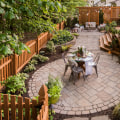
In the realm of patio landscaping, the integration of natural elements is essential for creating a space that not only looks stunning but also feels inviting and serene. Modern patio design often emphasizes clean lines and minimalism, yet it can greatly benefit from the warmth and texture that nature provides. By thoughtfully incorporating elements such as plants, stones, and water features, homeowners can transform their patios into lush retreats that harmonize with the surrounding environment. One of the key aspects of successful patio landscaping is understanding how to blend these natural elements with contemporary aesthetics. For instance, using native plants can enhance biodiversity while requiring less maintenance, making them an ideal choice for modern designs.
Additionally, incorporating materials like natural stone or reclaimed wood can add character and a sense of authenticity to the space. These choices not only elevate the visual appeal but also promote sustainability, aligning with the growing trend towards eco-friendly living. Moreover, the strategic placement of water features, such as small fountains or ponds, can introduce soothing sounds and attract wildlife, further enriching the outdoor experience. By considering factors like sunlight exposure and wind patterns, homeowners can create a balanced environment that encourages relaxation and social interaction. Ultimately, embracing natural elements in patio landscaping allows for a seamless transition between indoor and outdoor living, fostering a connection with nature that enhances overall well-being.
Choosing the Right Plants for Your Patio
When it comes to patio landscaping, choosing the right plants can significantly enhance both the aesthetic appeal and ecological value of your outdoor space.Here are some excellent options to consider:
- Native Plants: Incorporating native plants into your patio landscape is a sustainable choice. These plants are adapted to the local climate and soil conditions, requiring less water and maintenance. Examples include coneflowers, black-eyed Susans, and lavender.
- Succulents: For those seeking low-maintenance options, succulents are ideal. They thrive in sunny conditions and require minimal watering.
Varieties like hens and chicks, aloe vera, and sedum can add unique textures and colors to your patio.
- Flowering Plants: To create a vibrant atmosphere, consider adding flowering plants such as petunias, geraniums, or marigolds. These plants not only provide color but also attract pollinators, enhancing the ecological balance of your patio.
- Herbs: If you enjoy cooking, incorporating herbs like basil, rosemary, and thyme can be both practical and beautiful. They thrive in pots and can be easily accessed for culinary use.
Incorporating Water Features
Integrating water features into your patio landscaping can transform an ordinary outdoor space into a tranquil oasis.The sound of flowing water not only enhances the aesthetic appeal but also promotes relaxation and well-being. Here are some popular options to consider:
- Fountains: A fountain can serve as a stunning focal point in your patio design. From wall-mounted styles to free-standing models, fountains come in various sizes and designs, allowing you to choose one that complements your overall theme. The gentle sound of water cascading can create a peaceful ambiance.
- Ponds: If space allows, incorporating a small pond can add depth and interest to your patio landscape.
You can enhance the pond with aquatic plants and fish, creating a vibrant ecosystem. Consider adding a small waterfall feature to the pond for added movement and sound.
- Waterfalls: For a more dramatic effect, a waterfall can be integrated into your patio design. Whether it flows into a pond or simply cascades over rocks, waterfalls provide a dynamic visual element and soothing sounds that can drown out urban noise.
- Enhanced Aesthetics: Water features add beauty and elegance to your outdoor space, making it more inviting.
- Improved Air Quality: The presence of water can increase humidity levels, which may help improve air quality in dry climates.
- Wildlife Attraction: Ponds and water gardens can attract birds, butterflies, and beneficial insects, enhancing the biodiversity of your garden.
Using Natural Materials in Hardscaping
Incorporating natural materials into your patio landscaping can significantly enhance the aesthetic appeal and organic feel of your outdoor space.By utilizing elements such as stone, wood, and gravel, you can create a harmonious blend between your hardscaping and the surrounding environment.
Stone Patios
- Flagstone: This versatile material comes in various colors and shapes, allowing for creative patterns that can complement any landscape design. Its natural texture adds a rustic charm to patios.
- Slate: Known for its durability and unique color variations, slate can be used to create elegant and sophisticated patio surfaces that stand out.
- Granite: For a more modern look, granite offers a sleek finish while being resistant to weathering, making it ideal for outdoor use.
Wood Elements
- Decking: Using treated wood or composite materials for decking can provide a warm, inviting feel. Consider using reclaimed wood for an eco-friendly option that adds character.
- Wooden Pergolas: Incorporating a pergola made from natural wood not only provides shade but also enhances the overall design of your patio, creating a cozy atmosphere.
- Benches and Planters: Custom wooden benches or planters can seamlessly integrate with your patio design while offering functional seating and greenery.
Gravel and Other Natural Fillers
- Gravel Paths: Using gravel for walkways can create a natural look while allowing for good drainage. It’s also easy to maintain and can be combined with stepping stones for added interest.
- Natural Stone Retaining Walls: These walls not only serve a practical purpose but also add visual depth to your landscape.
They can be constructed using local stone to blend with the surroundings.
Creating Outdoor Living Spaces with Natural Elements
Designing a modern patio that incorporates natural elements can transform your outdoor space into a serene retreat. By focusing on outdoor living spaces that blend functionality with nature, you can create an inviting atmosphere perfect for relaxation and social interaction.One effective way to achieve this is through the selection of natural outdoor furniture. Opt for materials like teak, eucalyptus, or bamboo, which not only withstand the elements but also add warmth and texture to your patio.These materials age beautifully, enhancing the natural aesthetic over time. Consider using cushions made from organic fabrics to complement the furniture while providing comfort.Incorporating greenery is another essential aspect of patio landscaping. Use potted plants, vertical gardens, or even a small herb garden to bring life to your space. Plants like ferns, succulents, or flowering vines can soften hard surfaces and create a lush backdrop.
Additionally, consider using natural stone or wood for pathways and borders to seamlessly integrate the landscape with your patio.When planning your layout, think about how you can create distinct zones for different activities. For example, a cozy seating area with a fire pit encourages conversation and relaxation, while a dining space can be designed with a natural wood table surrounded by comfortable chairs. This arrangement not only promotes social interaction but also allows you to enjoy the beauty of your surroundings.Finally, lighting plays a crucial role in enhancing the ambiance of your outdoor living space. Use soft, warm lighting such as string lights or lanterns made from natural materials to create a welcoming atmosphere during the evening hours.
This not only highlights the beauty of your patio but also extends its usability into the night.By thoughtfully incorporating these elements into your patio design, you can create an outdoor oasis that harmonizes with nature while providing a functional space for relaxation and entertainment.
Incorporating Lighting to Enhance Natural Features
Incorporating lighting into your patio landscaping not only enhances the aesthetic appeal but also creates a welcoming atmosphere for evening gatherings. By strategically placing lights, you can highlight the natural features of your patio, such as plants, water elements, and architectural details.Types of Lighting to Consider
- Pathway Lights: These lights guide guests along walkways while illuminating surrounding plants. Choose solar-powered options for an eco-friendly solution.
- Spotlights: Use spotlights to draw attention to specific features like a beautiful tree or a water fountain. This creates a focal point that enhances the overall design.
- String Lights: Hang string lights overhead to create a cozy ambiance.
They can be draped across beams or trees, adding a magical touch to your outdoor space.
- Wall Sconces: If your patio has walls or fences, consider installing wall sconces. These can provide both functional and decorative lighting while complementing the natural elements around them.
This flexibility allows you to create an intimate setting for romantic dinners or a vibrant atmosphere for lively gatherings.Finally, remember that less is often more when it comes to lighting. Overly bright or excessive lighting can detract from the beauty of your natural features. Aim for a balanced approach that highlights key elements while maintaining a serene environment.
Sustainable Practices in Patio Landscaping
Incorporating sustainable practices into your patio landscaping not only enhances the aesthetic appeal of your outdoor space but also contributes positively to the environment. Here are some effective strategies to consider:- Rainwater Harvesting: Collecting rainwater is an excellent way to conserve water.
Install a rain barrel to capture runoff from your roof, which can then be used to irrigate your patio plants. This practice reduces reliance on municipal water systems and lowers your water bill.
- Composting: Create a compost bin in a discreet corner of your patio. Composting kitchen scraps and yard waste enriches the soil, providing essential nutrients for your plants while reducing landfill waste. This eco-friendly practice promotes healthy plant growth and minimizes the need for chemical fertilizers.
- Native Plants: Opt for native plants that are well-adapted to your local climate and soil conditions.
These plants typically require less water and maintenance compared to non-native species, making them a sustainable choice for patio landscaping. Additionally, they support local wildlife, including pollinators like bees and butterflies.
- Permeable Paving: Consider using permeable materials for your patio surface. These allow rainwater to seep through, reducing runoff and promoting groundwater recharge. Options include permeable pavers, gravel, or porous concrete.
- Organic Mulching: Use organic mulch around your patio plants to retain moisture, suppress weeds, and improve soil health as it decomposes.
Materials like wood chips, straw, or shredded leaves are excellent choices that enhance the natural look of your landscape.
FAQs About Patio Landscaping with Natural Elements
Incorporating natural elements into your patio landscaping can enhance the aesthetic appeal and create a serene outdoor environment. Here are some frequently asked questions that can help guide your design choices:- What are the best natural elements to include in patio landscaping? Common natural elements include stone, wood, plants, and water features. Using these materials can create a harmonious blend with the surrounding environment.
- How can I use plants effectively in my patio design? Selecting the right plants is crucial. Consider using native species that thrive in your climate, as they require less maintenance and provide habitat for local wildlife.
Incorporate a mix of perennials, annuals, and evergreens for year-round interest.
- What types of stone are suitable for patio landscaping? Natural stones like slate, granite, and limestone are popular choices. They not only add texture but also blend well with other natural elements.
- How can I incorporate water features into my patio? A small fountain or pond can introduce a calming sound and attract wildlife. Ensure that the water feature complements the overall design and is easy to maintain.
- Are there any tips for maintaining a natural patio landscape? Regular maintenance is key to keeping your patio looking its best. This includes watering plants, cleaning stone surfaces, and checking for any signs of wear on wooden structures.
Conclusion: Embracing Nature in Your Patio Design
Incorporating natural elements into your patio landscaping not only enhances the aesthetic appeal of your outdoor space but also fosters a deeper connection with nature.As we have explored, the integration of plants, natural materials, and water features can transform a modern patio into a serene retreat. By choosing native plants, you can create a sustainable environment that supports local wildlife while requiring less maintenance. The use of organic materials such as stone, wood, and gravel adds texture and warmth, making your patio feel more inviting. Additionally, incorporating features like a small pond or a fountain can introduce soothing sounds and attract birds, further enriching your outdoor experience. Moreover, the strategic placement of these elements can enhance the functionality of your patio. For instance, using trellises or pergolas adorned with climbing plants can provide shade and privacy, making your space more comfortable for relaxation or entertaining guests. Ultimately, embracing nature in your patio design is about creating a harmonious balance between modern aesthetics and the beauty of the natural world.
By thoughtfully selecting and arranging these elements, you can cultivate an outdoor oasis that reflects your personal style while promoting well-being and tranquility. In conclusion, the benefits of incorporating natural elements into your patio landscaping are manifold. Not only do they enhance visual appeal, but they also contribute to environmental sustainability and personal well-being. As you embark on your patio design journey, remember that nature is not just an accessory; it is an essential component that can elevate your outdoor living experience.