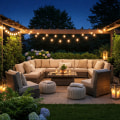
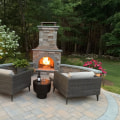
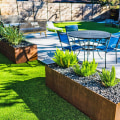
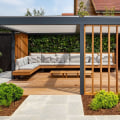
When it comes to patio landscaping, the incorporation of shade is not just an aesthetic choice; it plays a crucial role in enhancing outdoor comfort and functionality. As the sun beats down during the warmer months, shaded areas provide a refuge from the heat, allowing you and your guests to enjoy your outdoor space without the discomfort of direct sunlight. This is particularly important for families with children or pets, as shaded zones can create safe play areas that are cooler and more inviting. Moreover, the strategic placement of shade elements can significantly elevate the overall design of your patio. Whether through natural means like trees and shrubs or man-made structures such as pergolas and awnings, shade can add depth and dimension to your landscape.
These features not only enhance visual appeal but also create a more intimate atmosphere, making your patio a perfect spot for gatherings, relaxation, or even outdoor dining. In addition to comfort and aesthetics, incorporating shade into your patio landscaping can also lead to practical benefits. Shaded areas can help protect your outdoor furniture from sun damage, prolonging its lifespan and maintaining its appearance. Furthermore, by reducing direct sunlight exposure, you can lower the temperature of your patio, making it a more enjoyable space during peak hours. Ultimately, understanding the importance of shade in patio landscaping is essential for creating a functional and inviting outdoor environment that you can enjoy year-round.
Types of Shade Solutions for Your Patio
When designing your patio landscaping, incorporating shade is essential for creating a comfortable outdoor space.There are several types of shade solutions that can enhance your patio experience while adding aesthetic value to your landscape.
- Umbrellas: A popular choice for many homeowners, patio umbrellas come in various sizes and styles. They are portable and can be easily adjusted to provide shade as the sun moves throughout the day. Look for models with UV protection to ensure maximum safety.
- Pergolas: These structures offer a more permanent solution for shade. A pergola consists of vertical posts supporting crossbeams, which can be adorned with climbing plants or fabric for added coverage.
This option not only provides shade but also creates a beautiful focal point in your patio landscaping.
- Awnings: Awnings are attached to the exterior of your home and can be extended or retracted as needed. They are ideal for covering large areas and can be customized to match your home’s architecture. Retractable awnings offer flexibility, allowing you to enjoy the sun when desired.
- Trees: Incorporating trees into your patio landscaping is a natural way to provide shade. Select species that thrive in your climate and consider their growth patterns to ensure they won’t obstruct views or structures.
Deciduous trees offer shade in the summer while allowing sunlight in during the winter months.
Choosing the Right Shade Structure for Your Space
When it comes to patio landscaping, selecting the right shade structure is crucial for enhancing both the functionality and aesthetic appeal of your outdoor space. The choice of shade structure should be influenced by several factors, including the size of your patio, your personal style preferences, and the specific needs you have for your outdoor area.Patio Size Considerations
The dimensions of your patio play a significant role in determining the type of shade structure that will work best. For smaller patios, consider options like umbrellas or canopy tents, which can provide ample shade without overwhelming the space.These structures are often portable and can be adjusted or removed as needed.On larger patios, you might explore more permanent solutions such as pergolas, gazebos, or even shade sails. These structures not only offer extensive coverage but can also serve as focal points in your landscaping design. Ensure that the scale of the shade structure complements the overall size of your patio to maintain a balanced look.
Style Matching
Your choice of shade structure should also align with the overall style of your home and garden. For a modern aesthetic, sleek metal or fabric structures can enhance the contemporary feel.In contrast, if your home features a more traditional design, wooden pergolas or classic gazebos may be more appropriate.Additionally, consider incorporating elements that match your existing landscaping. For instance, if you have a rustic garden with natural stone pathways, a wooden shade structure can harmonize beautifully with the surroundings.Ultimately, the right shade structure will not only provide relief from the sun but will also enhance your patio landscaping, creating an inviting atmosphere for relaxation and entertainment.
Integrating Natural Elements for Shade
Incorporating natural elements into your patio landscaping design not only enhances the aesthetic appeal but also provides essential shade, making your outdoor space more comfortable. Here are some effective ways to integrate greenery for shade:- Choose the Right Trees: Selecting trees that thrive in your climate is crucial. Consider species like maples, oaks, or willows, which offer broad canopies and dense foliage.
These trees can provide significant shade while adding vertical interest to your patio.
- Utilize Shrubs and Hedges: Planting tall shrubs or hedges around the perimeter of your patio can create a natural barrier against the sun. Varieties such as boxwoods or holly not only provide shade but also enhance privacy.
- Incorporate Climbing Plants: Use trellises or pergolas adorned with climbing plants like wisteria or grapevines. These plants can create a beautiful, shaded canopy over your patio, allowing you to enjoy the outdoors without direct sunlight.
- Create Layered Plantings: By layering different heights of plants, you can create a more dynamic and shaded environment. Taller plants can provide overhead cover, while shorter plants can fill in the gaps, creating a lush, green atmosphere.
They improve air quality, support local wildlife, and contribute to a more sustainable environment. Furthermore, the presence of greenery can enhance your mood and overall well-being, making your patio a perfect retreat.When planning your landscape design, consider the sun's path throughout the day to maximize shade coverage during peak hours. By thoughtfully selecting and placing trees and plants, you can create a comfortable outdoor oasis that invites relaxation and enjoyment.
Designing a Functional and Aesthetic Patio Layout
When it comes to patio landscaping, creating a layout that balances both functionality and aesthetic appeal is essential. A well-designed patio not only enhances your outdoor space but also provides a comfortable area for relaxation and entertainment.Here are some key considerations for designing an effective patio layout:
- Define Your Purpose: Start by determining how you plan to use your patio. Will it be a space for dining, lounging, or entertaining? Understanding the primary function will guide your design choices.
- Incorporate Shade Elements: To make your patio more inviting, consider adding shade structures such as pergolas, awnings, or shade sails. These features not only protect you from the sun but also add visual interest to your landscape.
- Choose the Right Furniture: Select furniture that complements your patio's purpose and style. Opt for durable materials that can withstand outdoor conditions while providing comfort.
Arrange seating to encourage conversation and maximize the use of shaded areas.
- Utilize Plants Wisely: Incorporating plants into your patio design can enhance its aesthetic appeal while providing natural shade. Consider using tall plants or trees strategically placed around the perimeter to create a natural canopy.
- Consider Flow and Accessibility: Ensure that your patio layout allows for easy movement between different areas. Pathways should be clear and wide enough to accommodate foot traffic, especially if you have guests over.
Maintenance Tips for Your Shaded Patio Area
Maintaining a shaded patio area is essential for ensuring its longevity and aesthetic appeal.Here are some practical patio maintenance tips to keep your shaded spaces in top condition:
- Regular Cleaning: Debris such as leaves, dirt, and pollen can accumulate in shaded areas, leading to mold and mildew growth. Regularly sweep or use a leaf blower to keep the surface clean. For deeper cleaning, consider using a pressure washer, but be cautious with the settings to avoid damaging the patio materials.
- Inspect for Mold and Mildew: Shaded areas are prone to moisture retention, which can foster mold and mildew. Inspect your patio regularly and treat any affected areas with a mixture of water and vinegar or a commercial mold remover.
Ensure proper drainage to minimize moisture buildup.
- Check for Weeds: Even in shaded areas, weeds can find their way through cracks or gaps. Regularly inspect your patio for weeds and remove them promptly to prevent them from taking root.
- Maintain Plants: If you have potted plants or landscaping around your shaded patio, ensure they receive adequate care. Prune dead leaves, check for pests, and ensure they are not blocking light from reaching your patio.
- Furniture Care: If you have outdoor furniture in your shaded area, clean it regularly to prevent dirt buildup. Use furniture covers when not in use to protect against moisture and debris.
FAQs About Incorporating Shade in Patio Landscaping
Incorporating shade into your patio landscaping design can significantly enhance your outdoor experience.Here are some frequently asked questions that can help guide your decisions:
- What are the best plants for providing shade? Consider using large trees such as oaks or maples, which can create a natural canopy. Additionally, tall shrubs and climbing vines on trellises can also provide effective shade solutions.
- How can I use structures to create shade? Structures like pergolas, gazebos, and awnings are excellent for adding shade. They not only provide relief from the sun but also add aesthetic value to your patio landscaping. You can enhance these structures with climbing plants or fabric drapes for additional coverage.
- Are there any portable shade options? Yes! Market umbrellas and pop-up canopies are great portable options that allow you to adjust your shade as needed.
They are perfect for those who want flexibility in their outdoor space.
- How do I choose the right location for shade? When planning your patio landscaping, consider the sun's path throughout the day. Positioning your seating areas under existing trees or near structures that block sunlight can maximize comfort.
- Can I combine different shade solutions? Absolutely! Combining various elements like trees, structures, and fabrics can create a layered effect that enhances both functionality and style in your patio area.
Conclusion: Creating Your Ideal Shaded Patio Space
Incorporating shade into your patio landscaping design is not just about aesthetics; it significantly enhances the comfort and usability of your outdoor space. As we have explored, various options such as pergolas, awnings, and shade sails can transform your patio into a cool retreat during the hot summer months.To summarize, here are the key points to consider when creating your ideal shaded patio:- Assess Your Space: Evaluate the size and layout of your patio to determine the best shade solutions that fit your needs.
- Choose the Right Plants: Incorporate trees and shrubs that provide natural shade while enhancing the beauty of your landscape.
- Select Functional Structures: Consider installing structures like pergolas or gazebos that not only offer shade but also serve as focal points in your design.
- Utilize Outdoor Fabrics: Use outdoor curtains or shade sails to create flexible shading options that can be adjusted based on the sun's position.
- Plan for Comfort: Ensure that your shaded areas are equipped with comfortable seating and accessories to encourage relaxation and enjoyment.