Designing a patio landscape that is both functional and safe for children and pets is a crucial aspect of creating an outdoor space that everyone can enjoy. As families increasingly seek to maximize their outdoor living areas, understanding the unique needs of both kids and furry friends becomes essential. A well-thought-out patio not only enhances the aesthetic appeal of your home but also provides a safe haven for play and relaxation. When considering patio landscaping, it’s important to prioritize safety features that protect children from potential hazards. This includes selecting non-toxic plants, ensuring that surfaces are slip-resistant, and incorporating barriers or fencing to keep little ones secure.
Additionally, creating designated play areas with soft surfaces can help minimize injuries during active play. For pet owners, a pet-friendly design is equally important. This means choosing durable materials that can withstand wear and tear from playful paws, as well as incorporating elements like shaded spots for resting and water features for hydration. By blending these considerations into your patio design, you can create a harmonious environment where both children and pets can thrive, fostering a sense of community and joy in your outdoor space.
Choosing Safe Materials for Your Patio
When designing a patio landscape that is safe for both children and pets, the choice of materials is crucial.Opting for non-toxic landscaping materials not only ensures safety but also contributes to a healthier environment.
Safe Patio Materials
- Composite Decking: Made from recycled wood and plastic, composite decking is a durable option that resists splintering, making it safe for little feet and paws.
- Natural Stone: Materials like slate or flagstone are not only aesthetically pleasing but also provide a sturdy surface that can withstand heavy use. Ensure they are sealed with non-toxic sealants to prevent any harmful chemicals.
- Porous Pavers: These allow for drainage and reduce the risk of slipping, making them ideal for active children and pets. Look for options made from recycled materials for an eco-friendly choice.
Durable Surfaces
Durability is key when selecting patio materials. Children and pets can be rough on surfaces, so consider the following:
- Concrete: A classic choice, concrete can be stamped or stained to enhance its appearance while providing a long-lasting surface.
Ensure it is textured to prevent slipping.
- Rubber Mulch: This is an excellent option for play areas as it provides cushioning and is made from recycled tires. It’s safe, non-toxic, and helps to absorb impact during falls.
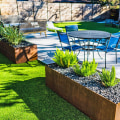
- Artificial Turf: If you want a green space without the maintenance of natural grass, consider pet-friendly artificial turf. It’s easy to clean, durable, and safe for both kids and pets.
Designing a Functional Layout
When it comes to patio landscaping that accommodates both children and pets, a well-thought-out layout is essential.The goal is to create a space that promotes safe play while ensuring easy movement for pets. Here are some key considerations for designing a functional layout:
- Define Play Zones: Establish specific areas for children to play, such as a sandbox or a small grassy patch. This not only keeps them engaged but also helps in keeping the rest of the patio clear for other activities.
- Pet-Friendly Pathways: Designate clear pathways that allow pets to move freely without disrupting play areas. Use durable materials like gravel or pavers that can withstand wear and tear from pet activity.
- Safety First: Ensure that any hardscaping elements, such as benches or tables, are placed away from play zones to prevent accidents.
Consider using rounded edges on furniture to minimize injury risks.
- Flexible Furniture: Opt for lightweight, movable furniture that can be easily rearranged as needed. This allows you to adapt the space for different activities, whether it’s a family gathering or a pet playdate.
- Shade and Shelter: Incorporate shaded areas where children can take breaks from the sun and pets can cool off. This could be achieved through umbrellas, pergolas, or strategically placed trees.
By thoughtfully arranging your patio landscape, you can create an inviting environment that caters to the needs of both children and pets, allowing everyone to enjoy the outdoor space safely.
Incorporating Play Areas for Children
Designing a patio landscape that is suitable for children involves creating engaging and safe play areas that encourage outdoor activity. By integrating designated spaces for play, you can ensure that your patio is not only functional but also a fun environment for kids.One effective way to incorporate play areas is by selecting appropriate outdoor play equipment. Consider options such as:- Swings and slides: These classic pieces of equipment can be installed in a corner of the patio, providing hours of entertainment.
- Climbing structures: A small climbing frame can promote physical activity and help develop motor skills.
- Sandbox: A designated sandbox area can spark creativity and imaginative play, allowing children to build and explore.
- Soft surfaces: Use materials like rubber mulch or artificial grass to cushion falls and minimize injuries.
- Clear boundaries: Define play areas with low fencing or decorative borders to keep children within safe zones while maintaining an open feel.
- Visibility: Position play equipment where adults can easily supervise children, ensuring safety while they enjoy their activities.
This not only enhances comfort but also encourages longer outdoor playtime.By thoughtfully integrating these elements into your patio landscaping, you can create a vibrant and secure environment where children can thrive and enjoy the outdoors.
Creating Pet-Friendly Spaces
Designing a pet-friendly patio landscape requires thoughtful planning to ensure that your furry friends can enjoy the outdoors safely and comfortably. Here are some essential elements to consider:- Shaded Areas: Just like humans, pets need protection from the sun. Incorporate shade structures such as pergolas, umbrellas, or strategically placed trees to create cool spots where your pets can relax during hot days.
- Pet-Friendly Plants: When selecting plants for your patio landscaping, choose non-toxic plants that are safe for pets. Some great options include:
- Spider Plant
- Bamboo Palm
- Boston Fern
- Secure Fencing: To keep your pets safe, ensure that your patio is enclosed with a sturdy fence.
This not only prevents them from wandering off but also keeps out unwanted wildlife. Consider using materials like vinyl or wood that are durable and visually appealing.
- Durable Surfaces: Choose patio materials that can withstand wear and tear from pets. Options like composite decking, stone, or concrete are ideal as they are easy to clean and resistant to scratches.
- Designated Play Areas: Create a specific area for your pets to play. This could include a small patch of grass or a designated space with pet-friendly toys.
Adding features like a sandbox can also provide entertainment for dogs who love to dig.
Selecting Appropriate Plants and Landscaping Features
When designing a patio landscape that is safe and enjoyable for both children and pets, selecting the right plants and landscaping features is crucial. Here are some tips to help you create a vibrant yet secure outdoor space.Child-Safe Plants
Choosing child-safe plants is essential to ensure that your little ones can explore the garden without risk. Here are some excellent options:- Sunflowers: Bright and cheerful, these tall flowers are non-toxic and can be a fun addition for kids to help grow.
- Marigolds: These colorful blooms not only add beauty but also deter pests, making them a practical choice.
- Snapdragons: With their unique shape, snapdragons can spark children's imagination while being completely safe.
- Herbs: Plants like basil, mint, and rosemary are safe for children and can be used in cooking, providing an educational experience.
Pet-Safe Landscaping
For pet owners, it’s equally important to select pet-safe landscaping options.Here are some plants that are safe for furry friends:
- Pansies: These hardy flowers are not only beautiful but also safe for pets.
- Spider Plants: Known for their air-purifying qualities, spider plants are non-toxic to dogs and cats.
- Bamboo: A great option for creating natural barriers, bamboo is safe for pets and adds a tropical feel to your patio.
- Cat Grass: If you have cats, consider planting cat grass to provide them with a safe treat.
Landscaping Features for Safety and Enjoyment
In addition to selecting the right plants, incorporating certain landscaping features can enhance safety:- Soft Surfaces: Use rubber mulch or grass in play areas to cushion falls and provide a safe environment for children and pets.
- Defined Pathways: Create clear walking paths using stones or pavers to guide movement and prevent tripping hazards.
- Fencing: Install low fences or hedges to create boundaries that keep children and pets contained while allowing visibility.
- Water Features: If including water elements like ponds or fountains, ensure they are shallow or have safety barriers to prevent accidents.
Maintaining a Safe Environment Year-Round
Maintaining a safe patio landscape for children and pets requires consistent attention throughout the year. Here are some essential patio maintenance tips to ensure your outdoor space remains enjoyable and secure.Regular Cleaning
Start with a routine cleaning schedule. Sweep away debris, leaves, and dirt that can create slippery surfaces or harbor pests. Use a hose or pressure washer to clean hard surfaces, ensuring that any mold or mildew is removed promptly.Seasonal Patio Care
- Spring: Inspect your patio for any winter damage.
Check for cracks in the surface and repair them to prevent accidents. Refresh your landscaping by adding child-friendly plants and removing any toxic varieties.
- Summer: Ensure that shaded areas are available for pets and children to escape the heat. Regularly check for sharp objects or broken furniture that could pose a risk.
- Fall: Rake leaves frequently to prevent slipping hazards. Consider adding non-slip mats in high-traffic areas to enhance safety.
- Winter: Clear snow and ice promptly to maintain accessibility.
Use pet-safe de-icers to prevent harm to your furry friends.
Safety Checks for Outdoor Spaces
Conduct regular safety checks on your patio landscape:- Inspect furniture: Ensure that all outdoor furniture is stable and free from sharp edges.
- Check fencing: Make sure that any fencing is secure and free from gaps where pets or children could escape.
- Tidy up tools and equipment: Store gardening tools, chemicals, and other hazardous materials out of reach to prevent accidents.
FAQs About Patio Landscaping for Kids and Pets
When it comes to patio landscaping that accommodates both children and pets, several common questions arise. Here are some frequently asked questions that can help guide your design choices:- What materials are safe for kids and pets?
Opt for non-toxic materials such as natural stone, concrete, or composite decking. Avoid sharp-edged stones and choose smooth surfaces to prevent injuries. - How can I create a pet-friendly patio?
Incorporate durable, chew-resistant plants and avoid toxic varieties like azaleas or lilies. Consider using gravel or artificial turf for easy maintenance and comfort. - What features should I include for children?
Designate a play area with soft surfaces like rubber mulch or grass.Adding a sandbox or a small water feature can also enhance playtime while ensuring safety.
- How do I ensure the patio is safe?
Install barriers or gates to keep pets and children contained. Ensure that any furniture is stable and has no sharp edges. Regularly check for hazards like broken glass or sharp tools. - Can I incorporate plants into my patio design?
Yes, but choose pet-safe plants such as marigolds, sunflowers, or herbs like basil and mint. These not only beautify your space but also provide sensory experiences for kids.
Conclusion: Designing a Harmonious Outdoor Space for All Family Members
In conclusion, designing a patio landscape that accommodates both children and pets is not only feasible but also rewarding.By prioritizing safety, functionality, and aesthetics, you can create an outdoor space that fosters joy and relaxation for all family members. To recap the essential elements:
- Choose Safe Materials: Opt for non-toxic plants and durable materials that can withstand wear and tear from playful pets and curious children.
- Incorporate Soft Surfaces: Use grass, rubber mulch, or artificial turf to provide a comfortable area for kids to play and pets to roam without the risk of injury.
- Create Defined Zones: Designate specific areas for play, relaxation, and pet activities. This helps maintain order while ensuring everyone has their space.
- Install Barriers: Use fences or gates to keep pets secure and prevent them from wandering off while allowing children to explore safely.
- Add Interactive Features: Consider including elements like a sandbox, water feature, or pet-friendly agility equipment to engage both kids and pets in active play.