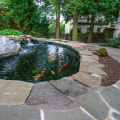
Creating a seamless connection between your patio and the rest of your outdoor space is essential for achieving a harmonious environment. The concept of flow in outdoor spaces refers to the visual and physical continuity that allows different areas to feel interconnected. When you think about patio landscaping, it’s not just about the patio itself; it’s about how that space interacts with gardens, walkways, and other outdoor features. A well-designed flow can transform your backyard into a cohesive retreat that invites relaxation and enjoyment. Effective landscape design plays a crucial role in establishing this flow.
By considering elements such as color, texture, and materials, you can create transitions that guide the eye and encourage movement throughout your outdoor area. For instance, using similar paving stones on your patio and pathways can visually link these spaces, while strategically placed plants can soften edges and enhance the overall aesthetic. This integration not only improves the look of your yard but also enhances its functionality, making it easier to navigate and enjoy. Moreover, understanding how to create flow can significantly impact how you experience your outdoor space. A well-planned layout encourages exploration and interaction, allowing family and friends to move freely from one area to another.
Whether you’re hosting a summer barbecue or enjoying a quiet evening under the stars, the right patio landscaping can elevate these moments by ensuring that every part of your outdoor space feels connected and inviting.
Assessing Your Current Outdoor Space
To create a seamless flow between your patio and the rest of your outdoor space, it’s essential to start with a thorough assessment of your current outdoor space. This evaluation will help you identify existing elements that can either enhance or hinder your design goals.1.Evaluate Your Patio Layout
- Begin by examining the size and shape of your patio. Is it large enough to accommodate furniture and activities? Consider how the layout can facilitate movement between different areas.
- Take note of the orientation of your patio. Does it receive ample sunlight, or is it shaded? Understanding this will help you choose appropriate plants and materials that complement the space.
2.Analyze Existing Landscaping
- Look at the current landscaping features surrounding your patio.
Are there trees, shrubs, or flower beds that can be integrated into your design? These elements can provide natural beauty and create a cohesive look.
- Assess the condition of existing plants. Healthy greenery can enhance the aesthetic appeal, while overgrown or dying plants may need to be removed or replaced.
3.Consider Pathways and Connectivity
- Examine how pathways connect your patio to other areas of your yard. Are they clear and inviting? A well-defined path can guide guests from the patio to gardens or outdoor dining areas, enhancing flow.
- Think about materials for pathways that complement your patio. Using similar stones or pavers can create a visual link between spaces.
4.Outdoor Design Assessment
- Finally, take a step back and view your outdoor space as a whole.
Consider how colors, textures, and styles work together. A unified design will create a harmonious transition from the patio to the rest of your yard.
- Document your findings and ideas in a sketch or list. This will serve as a valuable reference as you move forward with your patio landscaping project.
Choosing a Cohesive Design Style
Creating a seamless transition between your patio and the rest of your outdoor space begins with selecting a cohesive design style. This choice not only enhances the aesthetic appeal but also fosters a sense of unity throughout your landscape.Here are some popular design styles to consider:
- Modern: Characterized by clean lines, minimalism, and a focus on functionality, modern patios often incorporate materials like concrete and metal. To maintain flow, use similar materials in adjacent areas, such as sleek planters or contemporary furniture.
- Rustic: If you prefer a more natural look, rustic designs utilize wood, stone, and earthy colors. Incorporate elements like wooden benches or stone pathways that lead from the patio to garden areas to enhance the organic feel.
- Tropical: For a vibrant and lush atmosphere, tropical landscaping features bold colors and exotic plants. Use similar plant species or color palettes in your patio decor to create a harmonious environment.
- Traditional: This style often includes classic elements such as brick or stone pavers and wrought iron furniture.
To achieve cohesion, consider using similar materials for walkways or garden borders.
For example, pairing a modern patio with rustic garden features can create an interesting contrast while still feeling unified. Ultimately, the goal is to create an inviting atmosphere where each area flows into the next. By carefully selecting a patio aesthetic that aligns with your overall outdoor vision, you can enhance both functionality and beauty in your outdoor living space.
Incorporating Pathways and Transitions
Creating a seamless connection between your patio and the rest of your outdoor space is essential for enhancing the overall aesthetic and functionality of your landscape. One of the most effective ways to achieve this is through well-designed pathways and transitions.Choosing the Right Materials
The materials you select for your pathways can significantly influence the flow between your patio and other areas. Consider using materials that complement your patio's design.For instance, if your patio features natural stone, using similar stone for the pathway can create a cohesive look. Alternatively, brick or concrete pavers can provide a modern touch while ensuring durability.
Designing Functional Pathways
Your pathways should not only be visually appealing but also functional. Here are some tips to consider:- Width: Ensure pathways are wide enough to accommodate foot traffic comfortably. A width of at least 3 feet is recommended for two people to walk side by side.
- Curvature: Incorporate gentle curves in your pathway design to create a more inviting atmosphere.
Straight lines can feel harsh, while curves encourage exploration.
- Elevation Changes: If your outdoor space has varying elevations, consider using steps or ramps to facilitate smooth transitions between different levels.
Enhancing Visual Flow
To further enhance the visual flow between your patio and surrounding areas, consider adding elements such as:- Lush Plantings: Flank pathways with vibrant plants or flowers that draw the eye and create a sense of continuity.
- Lighting: Install pathway lighting to guide guests safely while adding ambiance during evening gatherings.
- Decorative Features: Incorporate decorative stones, sculptures, or garden art along the pathway to create focal points that connect different spaces.
Utilizing Plants for Visual Connection
Creating a seamless transition between your patio and the rest of your outdoor space can be achieved through thoughtful patio landscaping that incorporates plants. By selecting the right plants and arranging them strategically, you can establish a visual connection that enhances the overall aesthetic of your garden.Choosing the Right Plants
- Native Plants: Opt for native species that thrive in your local climate. They require less maintenance and can create a harmonious look with the surrounding landscape.
- Layering: Use a mix of tall, medium, and low-growing plants to create depth. Taller plants can act as a backdrop, while shorter ones can frame your patio.
- Color Coordination: Select plants with colors that complement your patio decor.
This can help tie the space together visually.
Arranging Plants for Maximum Impact
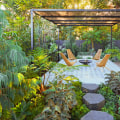
- Pathways: Create pathways lined with plants leading to your patio. This not only guides visitors but also visually connects different areas of your yard.
- Containers: Use potted plants on your patio to extend the garden feel. Choose pots that match or contrast with your patio materials for added interest.
- Vertical Elements: Incorporate vertical gardens or trellises with climbing plants to draw the eye upward, creating a sense of height and openness.
Incorporating Furniture and Decor
Creating a seamless transition between your patio and the rest of your outdoor space begins with thoughtful patio furniture selection.Choose pieces that not only serve a functional purpose but also complement the overall aesthetic of your garden or yard. For instance, if your outdoor area features a rustic theme, consider opting for wooden furniture with natural finishes that echo the surrounding landscape.
Color Coordination
- When selecting furniture, aim for a color palette that harmonizes with both your patio and the adjacent areas. Neutral tones like beige, gray, or soft pastels can create a calming effect, while vibrant colors can add a lively touch.
- Incorporate accent colors found in nearby flowers or foliage to tie everything together. For example, if you have bright red blooms in your garden, consider adding cushions or decor items in similar shades.
Outdoor Decor Ideas
- In addition to furniture, decorative elements play a crucial role in establishing flow.
Use outdoor decor such as lanterns, planters, and rugs that reflect the style of both your patio and garden.
- Consider adding vertical elements like trellises or wall art that can visually connect the patio to the surrounding greenery.
Cohesive Outdoor Furniture Arrangements
The arrangement of your furniture is just as important as its selection. Create distinct yet connected zones by grouping seating areas together while ensuring they are easily accessible from other parts of your outdoor space. For example:
- Position dining sets near the kitchen entrance for convenience.
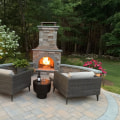
- Arrange lounge chairs around a fire pit to encourage social interaction.
- Leave pathways clear to facilitate movement between different areas.
Lighting Considerations for Flow and Ambiance
When it comes to patio landscaping, lighting plays a crucial role in creating a seamless transition between your patio and the rest of your outdoor space.The right lighting not only enhances the aesthetic appeal but also improves functionality, allowing you to enjoy your outdoor areas well into the evening.
Types of Outdoor Lighting
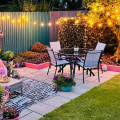
- String Lights: These versatile lights can be draped across your patio or hung from trees to create a warm, inviting atmosphere. They are perfect for adding a festive touch and can easily connect your patio to adjacent areas.
- Pathway Lights: Installing lights along walkways leading to your patio helps guide guests while enhancing safety. Choose solar-powered options for an eco-friendly solution that requires minimal maintenance.
- Spotlights: Use spotlights to highlight specific features in your garden, such as sculptures or beautiful plants. This not only draws attention to these elements but also creates depth and interest in your outdoor space.
- Wall Sconces: If your patio has walls or fences, consider adding sconces for a sophisticated look.
They provide ambient lighting and can help define the space, making it feel more cohesive with the surrounding area.
Placement Tips for Effective Lighting
To achieve a harmonious flow between your patio and other outdoor areas, consider the following placement tips:- Create Layers: Use a combination of ambient, task, and accent lighting to create layers. This approach adds dimension and makes the space feel more inviting.
- Highlight Transitions: Place lights at entry points or transitions between different areas, such as from the patio to the garden. This guides movement and visually connects the spaces.
- Consider Scale: Ensure that the size of your lighting fixtures is proportionate to the space. Oversized fixtures can overwhelm a small patio, while tiny lights may get lost in larger areas.
A well-lit patio not only invites relaxation but also encourages social gatherings, making it an integral part of your overall landscape design.
Maintaining Your Outdoor Space for Long-Term Flow
To ensure a seamless connection between your patio and the rest of your outdoor space, regular maintenance is crucial. This not only enhances the aesthetic appeal but also preserves the functionality of your patio landscaping over time.Regular Upkeep Tasks
- Weeding: Regularly check for weeds that can disrupt the flow of your landscaping. Pull them out by hand or use a hoe to keep your garden beds tidy.
- Mulching: Apply a fresh layer of mulch around plants and along pathways to suppress weeds and retain moisture. This also creates a polished look that ties your patio into the surrounding landscape.
- Trimming and Pruning: Keep shrubs and trees well-trimmed to prevent overgrowth that can obstruct views or pathways.
This helps maintain an open feel between your patio and garden.
- Cleaning Hardscapes: Regularly sweep or power wash your patio, walkways, and any stone features to remove dirt and debris. A clean surface enhances the overall flow of your outdoor space.
Seasonal Considerations
Different seasons bring unique challenges for patio landscaping. In spring, focus on planting and refreshing mulch. Summer may require more frequent watering and weeding, while fall is ideal for pruning and preparing plants for winter.In winter, protect delicate plants with coverings and clear snow from hard surfaces to maintain accessibility.
Long-Term Care Strategies
Investing in quality materials for your patio can reduce maintenance needs over time. For example, choosing durable pavers or composite decking can withstand weather changes better than traditional wood. Additionally, consider incorporating native plants into your landscaping; they typically require less water and care, promoting a sustainable flow throughout your outdoor space.By implementing these outdoor maintenance tips, you can ensure that your patio remains a harmonious extension of your landscape, providing enjoyment for years to come.FAQs About Patio Landscaping and Flow Integration
Creating a seamless flow between your patio and the rest of your outdoor space can enhance both functionality and aesthetics. Here are some frequently asked questions that can help you achieve this:- What are the best materials for patio landscaping?
Choosing the right materials is crucial for creating a cohesive look.Consider using natural stone, brick, or composite decking that complements your garden's existing elements.
- How can I integrate my patio with my garden?
To create a harmonious transition, use similar plants and colors in both areas. Incorporating pathways made of the same material as your patio can also help connect these spaces. - What landscaping features can enhance flow?
Features such as water elements, lighting, and focal points like sculptures or fire pits can draw the eye and create a sense of continuity between your patio and garden. - How do I choose the right furniture for my patio?
Select furniture that matches the style of your outdoor space. For example, if your garden has a rustic feel, opt for wooden or wicker furniture to maintain consistency. - Can I use color to create flow?
Absolutely! Using a consistent color palette throughout your patio and garden can tie the two areas together. Consider using complementary colors in cushions, pots, and decor.