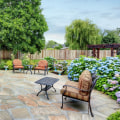
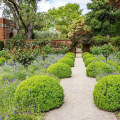
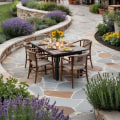
Incorporating water features into your patio landscaping design can transform an ordinary outdoor space into a serene oasis. The gentle sound of flowing water, the shimmering reflections on a pond, or the vibrant life that surrounds a fountain can create an inviting atmosphere that enhances both relaxation and social gatherings. Water features not only serve as stunning focal points but also contribute to the overall aesthetic appeal of your patio, making it a more enjoyable place to spend time. The benefits of adding water features extend beyond mere aesthetics. They can improve the microclimate of your patio by providing cooling effects during hot summer days, making your outdoor area more comfortable.
Additionally, water features can attract local wildlife, such as birds and butterflies, enriching your landscape with natural beauty and promoting biodiversity. This connection to nature can enhance your overall well-being, providing a peaceful retreat from the hustle and bustle of daily life. When considering patio landscaping ideas, think about how different types of water features can complement your existing design. From small tabletop fountains to larger ponds or waterfalls, there are options to fit any space and budget. By thoughtfully integrating these elements into your patio layout, you can create a harmonious environment that not only looks beautiful but also feels alive with the soothing presence of water.
Types of Water Features for Your Patio
Incorporating water features into your patio landscaping can transform your outdoor space into a serene oasis.Here are some popular types of water features to consider:
- Fountains: Garden fountains are a classic choice for patios. They come in various styles, from traditional tiered designs to modern wall-mounted options. Fountains not only add visual interest but also create soothing sounds that enhance the ambiance of your patio.
- Ponds: If you have enough space, a small pond can be a stunning addition to your patio landscape. You can opt for a natural-looking pond with aquatic plants and fish or a more formal design with clean lines.
Ponds can serve as a focal point and attract wildlife, adding life to your outdoor area.
- Waterfalls: A waterfall can bring a dramatic element to your patio. Whether it’s a standalone feature or part of a pond, the sound of cascading water can create a peaceful atmosphere. You can choose from various materials, such as stone or concrete, to match your patio's aesthetic.
- Birdbaths: For those with limited space, a birdbath is an excellent option. It provides a water source for birds while adding charm to your patio.
Choose a decorative birdbath that complements your landscaping style.
- Container Water Gardens: If you want the beauty of water without the commitment of a full pond, consider container water gardens. These can be created using large pots filled with water plants and small aquatic creatures, making them perfect for smaller patios.
Designing Your Patio with Water Features in Mind
When designing patio landscaping that incorporates water features, it’s essential to consider the overall flow and harmony of the space. Water features can serve as stunning focal points, but they must be integrated thoughtfully to enhance the patio's aesthetic and functionality.Start with a Plan:
Before diving into the installation of water features, sketch out your patio layout.Identify areas where water elements can naturally fit, such as corners or along pathways. Consider how these features will interact with existing plants and structures.
- Types of Water Features: Decide on the type of water feature that best suits your style and space. Options include:
- Fountains: These can add a soothing sound and visual interest.
- Ponds: A small pond can attract wildlife and create a serene atmosphere.
- Waterfalls: These can be incorporated into a rock garden or as part of a larger pond system.
If you have a large fountain, consider smaller plants or seating areas nearby to create equilibrium. Use plants that thrive in moist conditions around the water feature to enhance its natural look.
Incorporating Pathways:
Design pathways that lead to and from your water feature. This not only guides visitors through your patio but also allows for easy maintenance access. Use materials like stone or gravel that complement the water feature while providing a natural feel.Lighting Considerations:
Don’t forget about lighting! Strategically placed lights can highlight your water features at night, creating a magical ambiance.Consider underwater lights for ponds or spotlights for fountains to enhance their beauty after sunset.By thoughtfully integrating water features into your patio landscaping, you can create a tranquil retreat that invites relaxation and enjoyment. Remember to keep the principles of flow, balance, and harmony in mind as you design your outdoor oasis.
Choosing the Right Location for Water Features
When it comes to patio landscaping, the placement of water features can significantly enhance the overall aesthetic and functionality of your outdoor space. Choosing the right location is crucial for maximizing the benefits of these features.Consider Sunlight Exposure
- Water features, such as ponds and fountains, thrive in areas that receive adequate sunlight. However, too much direct sunlight can lead to algae growth.
Aim for a balance by placing your feature in a spot that gets morning sun and afternoon shade.
Visibility and Focal Points
- Position your water feature where it can be easily seen from key areas of your patio, such as seating arrangements or dining spaces. This not only creates a stunning focal point but also enhances the ambiance of your outdoor gatherings.
- Consider using a fountain as a centerpiece in a garden or patio area, ensuring it is visible from multiple angles. This encourages guests to appreciate its beauty from different perspectives.
Accessibility for Maintenance
- While aesthetics are important, don’t overlook the practical aspect of maintenance. Ensure that your water feature is easily accessible for cleaning and upkeep.
A location that is too far from your home may make regular maintenance cumbersome.
- If you opt for a pond, consider placing it near a water source for easy filling and maintenance.
Pond Placement Tips
- If you’re incorporating a pond, avoid placing it directly under large trees, as falling leaves can create debris issues and affect water quality.
- Think about the natural flow of water; positioning your pond at a lower elevation can help with drainage and prevent flooding during heavy rains.
Maintenance Tips for Patio Water Features
Incorporating water features into your patio landscaping can create a serene atmosphere, but maintaining these features is crucial for their longevity and aesthetic appeal. Here are some essential maintenance tips to keep your water features in top shape.Regular Cleaning
Debris such as leaves, dirt, and algae can accumulate in your water feature, affecting both its appearance and function. Regular cleaning is vital:- Fountains: Clean the pump and filter every few weeks to prevent clogs.
Use a soft brush to scrub the fountain surfaces and remove any buildup.
- Ponds: Skim the surface weekly to remove floating debris. Consider using a pond net during fall to catch leaves before they sink.
Water Quality Management
Maintaining good water quality is essential for the health of any aquatic life and the overall look of your feature:- Testing: Regularly test the water for pH levels, ammonia, and nitrate concentrations. Aim for a balanced pH between 6.5 and 7.5.
- Water Changes: Change 10-20% of the water weekly to keep it fresh and clear.
Pond Upkeep Tips
If you have a pond as part of your patio landscaping, consider these additional tips:- Aeration: Use a pond aerator to maintain oxygen levels, especially during warmer months.
- Plant Management: Control aquatic plants to prevent overgrowth, which can lead to stagnation.
Incorporating Plants and Landscaping Around Water Features
Incorporating plants and landscaping around your water features can significantly enhance the overall aesthetic of your patio landscaping. The right selection of plants not only complements the water element but also creates a harmonious environment that invites relaxation and enjoyment.Choosing the Right Plants
- Aquatic Plants: Consider adding aquatic plants such as water lilies, lotus, or water hyacinth.
These plants thrive in water and can add vibrant colors and textures to your feature.
- Marginal Plants: Surrounding your water feature with marginal plants like cattails, irises, or sedges can create a natural transition between land and water, enhancing the visual appeal.
- Perennials and Shrubs: Incorporate perennials such as hostas, ferns, or flowering shrubs like hydrangeas. These plants can provide structure and color throughout the seasons.
Landscaping Tips for Cohesion
- Create Layers: Use a tiered approach by placing taller plants at the back and shorter ones in front. This layering effect draws the eye towards the water feature and creates depth.
- Add Hardscaping Elements: Incorporate stones, pebbles, or decorative gravel around the water feature. These materials can help define the space and provide a clean contrast to the lush greenery.
- Consider Color Schemes: Choose plants that complement the colors of your water feature.
For instance, if you have a blue pond, consider using white or yellow flowers to create a striking contrast.
Budgeting for Water Features in Your Patio Design
Incorporating water features into your patio landscaping can enhance the aesthetic appeal and create a serene atmosphere. However, it’s essential to consider the cost of water features and how they fit into your overall budget. Here are some tips to help you effectively budget for these additions:- Determine Your Budget: Start by establishing a clear budget for your entire patio landscaping project.
This will help you allocate funds specifically for water features without overspending.
- Research Costs: Investigate the average costs associated with different types of water features. For instance, a simple fountain may cost less than a pond or waterfall. Understanding these costs will allow you to make informed decisions.
- Consider DIY Options: If you’re handy, consider creating your own water feature. DIY projects can significantly reduce costs while allowing for customization.
Simple options like a barrel fountain or a small pond can be both affordable and visually appealing.
- Look for Affordable Materials: When planning your water feature, explore various materials that can keep costs down. For example, using recycled materials or natural stones can be more budget-friendly than purchasing new items.
- Plan for Maintenance: Remember to factor in ongoing maintenance costs when budgeting for your water feature. Regular upkeep is necessary to keep the feature functioning properly and looking its best.
Frequently Asked Questions About Patio Water Features
When considering patio landscaping that includes water features, many homeowners have questions about functionality, maintenance, and design.Here are some frequently asked questions to help guide your decisions.
What types of water features are suitable for patios?
There are several options for incorporating water features into your patio design:- Fountains: These can range from small tabletop models to larger wall-mounted or freestanding designs.
- Ponds: A small pond can create a tranquil atmosphere, especially when combined with aquatic plants and fish.
- Waterfalls: These can be integrated into a pond or stand alone, providing soothing sounds and visual interest.
- Birdbaths: A simple yet effective way to attract wildlife while adding a decorative element.
How do I maintain my patio water feature?
Maintenance is crucial for keeping your water feature looking its best:- Regular Cleaning: Remove debris and algae buildup to ensure clear water and prevent blockages.
- Water Quality: Test and treat the water regularly to maintain a healthy environment for any fish or plants.
- Pump Maintenance: Check the pump periodically to ensure it’s functioning properly and replace it if necessary.
What should I do if my water feature has issues?
If you encounter problems with your water feature, consider the following troubleshooting tips:- No Water Flow: Check for clogs in the pump or tubing. Clean or replace as needed.
- Algae Growth: Increase circulation and consider using an algaecide if necessary.
- Noisy Pump: Ensure the pump is submerged properly and check for any loose parts that may need tightening.
Conclusion: Transforming Your Patio with Water Features
Incorporating water features into your patio landscaping can significantly enhance the aesthetic appeal and ambiance of your outdoor space. As we have explored, the soothing sounds of flowing water, the visual interest of fountains, and the tranquility of ponds can transform a simple patio into a serene retreat.To recap, here are some key benefits of adding water features to your patio:- Enhanced Aesthetics: Water features serve as stunning focal points that draw the eye and create a sense of beauty in your landscape.
- Improved Atmosphere: The sound of water can mask unwanted noise from nearby streets or neighbors, providing a peaceful environment for relaxation.
- Wildlife Attraction: Ponds and water gardens can attract birds, butterflies, and other wildlife, adding life and movement to your patio area.
- Increased Property Value: Well-designed water features can enhance the overall value of your property by making it more appealing to potential buyers.
By thoughtfully selecting and placing these elements, you can craft an inviting atmosphere that enhances both relaxation and social gatherings.