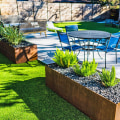
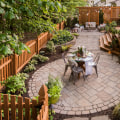
Incorporating edible plants into your patio landscaping offers a multitude of benefits that extend beyond mere aesthetics. One of the most compelling advantages is the ability to grow your own food right at home. Imagine stepping outside to harvest fresh herbs, vegetables, or fruits for your meals. This not only enhances the flavor of your dishes but also promotes a healthier lifestyle by encouraging you to consume more fresh produce. Moreover, edible landscaping contributes to sustainability.
By growing your own plants, you reduce the carbon footprint associated with transporting food from farms to grocery stores. Additionally, many edible plants are low-maintenance and can thrive in smaller spaces, making them ideal for patio settings. This means you can enjoy the beauty of a garden while also being environmentally conscious. Aesthetically, edible plants can be just as visually appealing as traditional ornamental plants. With a variety of colors, textures, and forms, they can create a vibrant and inviting atmosphere on your patio.
For instance, the deep green of kale or the bright red of strawberries can serve as stunning focal points in your landscape design. By blending these plants with decorative elements, you can achieve a harmonious balance between beauty and functionality. Ultimately, incorporating edible plants into your patio landscape not only enhances its visual appeal but also fosters a sense of connection to nature and food production. This unique approach to patio landscaping allows you to enjoy the fruits of your labor while contributing positively to the environment.
Choosing the Right Edible Plants for Your Patio
When it comes to patio landscaping, selecting the right edible plants is essential for creating a functional and aesthetically pleasing outdoor space. The choice of plants should be influenced by several factors, including your local climate, available space, and personal preferences.Consider Your Climate
Understanding your climate zone is crucial when choosing edible plant varieties.Some plants thrive in warm, sunny conditions, while others prefer cooler temperatures or partial shade. For instance:
- Herbs: Basil, rosemary, and thyme are excellent choices for sunny patios.
- Leafy Greens: Spinach and lettuce can grow well in cooler weather and partial shade.
- Fruiting Plants: Tomatoes and peppers require full sun and warm temperatures to flourish.
Assess Your Space
The amount of space you have will also dictate your plant selection. If you have limited space, consider vertical gardening options or container gardening:- Vertical Gardens: Use wall-mounted planters or trellises to grow climbing plants like cucumbers or pole beans.
- Container Gardening: Choose pots for herbs or dwarf varieties of vegetables that can thrive in smaller areas.
Your Personal Preferences
Your taste preferences should guide your selection of edible plants. Think about what you enjoy eating and how often you cook with fresh ingredients.Some popular choices for patio gardens include:
- Berries: Strawberries and blueberries are not only delicious but also visually appealing.
- Culinary Herbs: Fresh herbs like cilantro, parsley, and mint can enhance your dishes and are easy to grow.
- Vegetables: Consider growing compact varieties of zucchini or peppers that fit well in containers.
Container Gardening: A Perfect Solution for Patios
Container gardening is an ideal solution for patio landscaping, especially in urban settings where space is limited. By utilizing various types of containers, you can create a vibrant and functional garden that not only enhances the aesthetic appeal of your patio but also provides fresh, edible plants right at your fingertips.Choosing the Right Containers
- Material: Select containers made from materials like ceramic, wood, or recycled plastic. Each material has its own benefits; for instance, ceramic pots retain moisture well, while wooden containers offer excellent insulation.
- Size: Ensure your containers are large enough to accommodate the root systems of the plants you choose. Generally, a minimum depth of 12 inches is recommended for most edible plants.
- Drainage: Proper drainage is crucial.
Look for pots with drainage holes or consider adding a layer of gravel at the bottom to prevent waterlogging.
Best Edible Plants for Container Gardening
- Herbs: Herbs like basil, parsley, and mint thrive in containers and can be used fresh in your cooking.
- Salad Greens: Leafy greens such as lettuce and spinach grow quickly and can be harvested multiple times throughout the season.
- Tomatoes: Dwarf or determinate varieties of tomatoes are perfect for pots and can yield a bountiful harvest with proper care.
- Peppers: Both sweet and hot peppers do well in containers, adding color and flavor to your patio garden.
Vertical Gardening Techniques for Limited Space
For urban gardeners facing space constraints, vertical gardening offers a creative solution to maximize the potential of your patio. By growing plants upwards rather than outwards, you can create a lush, green environment without sacrificing valuable floor space.One effective method is to use vertical planters.These can be wall-mounted or freestanding structures that allow you to stack pots or containers. Consider using materials like reclaimed wood or metal for a rustic look that complements your patio's aesthetic. You can plant herbs, strawberries, or even small vegetables in these planters, making them both decorative and functional.
Hanging gardens
are another excellent option. Utilize hooks or brackets to suspend pots from overhead structures such as pergolas or railings.This not only saves space but also adds an interesting visual element to your patio. Choose trailing plants like cherry tomatoes or nasturtiums, which can cascade beautifully while providing edible rewards.Additionally, consider using trellises and arbors. These structures can support climbing plants such as beans, cucumbers, and peas. Position them strategically to create natural dividers in your patio space while enhancing vertical growth.
Not only do they save ground space, but they also create a microclimate that can benefit your plants.Lastly, pallet gardens are a trendy and eco-friendly way to incorporate vertical gardening into your patio landscape. By repurposing wooden pallets, you can create a unique planting surface that allows for various herbs and flowers to thrive. Just ensure the pallets are treated for outdoor use and filled with quality soil for optimal growth.Incorporating these space-saving gardening ideas into your patio landscape not only enhances its beauty but also provides fresh produce right at your fingertips. With a little creativity and planning, you can transform even the smallest patios into vibrant edible gardens.
Maintenance Tips for Edible Patio Gardens
Maintaining an edible patio garden requires a tailored approach to ensure your plants thrive while providing you with fresh produce.Here are some essential maintenance tips to keep your edible landscape flourishing:
- Watering: Regular watering is crucial, especially in containers where soil can dry out quickly. Aim for deep watering sessions, allowing the top inch of soil to dry out between waterings. Early morning is the best time to water, reducing evaporation and fungal diseases.
- Soil Health: Use high-quality potting mix enriched with organic matter. Consider adding compost or worm castings every few months to replenish nutrients.
Testing your soil pH can also help you understand what amendments might be necessary for optimal plant growth.
- Fertilization: Edible plants often require more nutrients than ornamental plants. Use a balanced, organic fertilizer every 4-6 weeks during the growing season. Look for fertilizers that are specifically formulated for vegetables and herbs.
- Pest Management: Keep an eye out for common pests like aphids and spider mites. Introduce beneficial insects such as ladybugs or use organic insecticidal soap to manage infestations without harming your plants.
- Pruning and Harvesting: Regularly prune your plants to encourage bushier growth and remove any dead or yellowing leaves.
Harvesting herbs and vegetables frequently not only provides you with fresh ingredients but also promotes further growth.
- Seasonal Care: As seasons change, adjust your care routine accordingly. In colder months, consider bringing potted plants indoors or using row covers to protect them from frost.
Common Challenges and Solutions in Edible Patio Landscaping
Incorporating edible plants into your patio landscape can be rewarding, but it also comes with its own set of challenges. Understanding these challenges and knowing how to address them is crucial for a thriving edible garden.- Space Limitations: Many patios have limited space, making it difficult to grow larger edible plants.
To overcome this, consider using vertical gardening techniques.
Vertical planters
, wall-mounted pots, and hanging baskets can maximize your growing area without taking up valuable floor space. - Soil Quality: The quality of soil in containers can vary significantly. Poor soil can lead to nutrient deficiencies in your plants. To combat this, use high-quality potting mix enriched with organic matter.
Regularly amend the soil with compost to ensure your plants receive the nutrients they need.
- Pest Management: Edible plants are often susceptible to pests. Implementing integrated pest management (IPM) strategies can help. This includes introducing beneficial insects like ladybugs, using organic pesticides, and regularly inspecting your plants for signs of infestation.
- Watering Challenges: Container gardens can dry out quickly, especially in hot weather. To maintain moisture levels, consider using self-watering pots or adding water-retaining crystals to your soil mix.
Additionally, establish a consistent watering schedule to keep your plants hydrated.
- Sunlight Requirements: Different edible plants have varying sunlight needs. Assess the sunlight exposure of your patio and choose plants accordingly. For shaded areas, opt for shade-tolerant varieties like herbs (e.g., mint and parsley) or leafy greens (e.g., spinach and lettuce).
FAQs About Edible Plants in Patio Landscaping
When considering edible plants for your patio landscaping, many questions may arise. Here are some frequently asked questions that can help guide your gardening journey.What are the best edible plants for small patios?
For small patio spaces, consider growing herbs like basil, parsley, and chives, which thrive in containers and require minimal space.Additionally, compact vegetable varieties, such as cherry tomatoes and dwarf peppers, can be excellent choices. These plants not only provide fresh ingredients for your meals but also add vibrant colors to your landscape.
How do I care for edible plants in containers?
Caring for edible plants in containers involves several key practices:- Watering: Ensure consistent moisture without overwatering. Container plants often dry out faster than those in the ground.
- Fertilizing: Use organic fertilizers to promote healthy growth. A balanced fertilizer every few weeks can enhance yield.
- Sunlight: Most edible plants require at least 6-8 hours of sunlight daily.
Position your containers accordingly.
Can I mix ornamental and edible plants?
Absolutely! Mixing ornamental and edible plants can create a visually appealing landscape while providing fresh produce. Consider using flowering herbs like lavender or sage, which not only look beautiful but also attract beneficial insects.What are some tips for maximizing space in patio gardening?
To maximize space in your patio garden, try the following:- Vertical gardening: Use trellises or wall planters to grow climbing plants like peas or cucumbers.
- Stacked planters: Utilize tiered planters to create layers of greenery without taking up too much ground space.
- Interplanting: Grow fast-maturing crops alongside slower-growing ones to make the most of your available area.