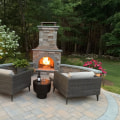
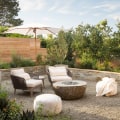
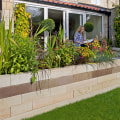
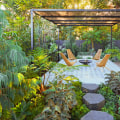
When it comes to patio landscaping, the concept of texture plays a pivotal role in transforming an ordinary outdoor space into a captivating retreat. Texture is not merely an aesthetic choice; it serves as a fundamental element that enhances the overall sensory experience of your patio. By incorporating a variety of textures, you can create depth and interest, making your patio not just a place to sit, but a vibrant extension of your home. The importance of texture in landscaping cannot be overstated. Different materials—such as smooth stones, rough wood, and soft fabrics—can evoke distinct feelings and atmospheres.
For instance, the juxtaposition of sleek metal furniture against a backdrop of rugged stone pavers can create a striking visual contrast that draws the eye and invites exploration. This interplay of textures not only adds visual appeal but also encourages interaction with the space, making it more inviting for family and guests alike. Moreover, textured patios offer numerous benefits beyond aesthetics. They can enhance safety by providing slip-resistant surfaces, especially when using materials like textured concrete or natural stone. Additionally, varied textures can help define different areas within your patio, guiding movement and creating functional zones for dining, lounging, or gardening.
Ultimately, understanding how to effectively incorporate texture into your patio landscaping will elevate your outdoor experience and ensure that your space is both beautiful and practical.
Choosing the Right Materials for Texture Variety
When it comes to patio landscaping, the choice of materials plays a crucial role in achieving a visually appealing and textured outdoor space. By selecting a variety of materials, you can create depth and interest that enhances the overall aesthetic of your patio.Stone
Natural stone is a timeless option that adds elegance and durability to any patio. Options like slate, granite, and limestone come in various colors and finishes, allowing for unique patterns and textures. For instance, a combination of smooth flagstone with rougher cobblestones can create a striking contrast.Wood
Wooden decking or tiles can introduce warmth and organic texture to your patio.Consider using reclaimed wood for a rustic feel or composite materials that mimic wood but offer greater durability against the elements. Incorporating wooden planters or furniture can further enhance the textural variety.
Concrete
Concrete is often overlooked but offers incredible versatility. Stamped or stained concrete can replicate the look of stone or wood while providing a smooth surface. Additionally, using different finishes—such as polished, brushed, or exposed aggregate—can add layers of texture to your patio.Brick
Brick patios provide a classic look with their inherent texture and color variations.Arranging bricks in different patterns, such as herringbone or basketweave, can create visual interest while maintaining a cohesive design.
Mixing Materials
Combining these materials can yield stunning results. For example, pairing stone pavers with wooden borders or integrating concrete slabs with grass or gravel can create distinct zones within your patio landscape. This not only enhances the visual appeal but also allows for functional areas like dining or lounging.Ultimately, the key to successful patio landscaping lies in balancing these materials to achieve a harmonious yet dynamic outdoor space that reflects your personal style.Incorporating Natural Elements for Textural Contrast
Incorporating natural elements into your patio landscaping can significantly enhance the textural appeal of your outdoor space. By thoughtfully selecting plants and materials, you can create a dynamic environment that invites both visual interest and tactile experiences.Using Plants for Texture
Plants are one of the most effective ways to introduce texture into your patio landscape.Consider the following:
- Foliage Variety: Mix plants with different leaf shapes and sizes. For instance, combine broad-leaved hostas with fine-textured ferns to create a striking contrast.
- Color and Texture: Use plants with variegated leaves or unique colors, such as purple heucheras or silver lamb's ears, to add depth and interest.
- Seasonal Changes: Incorporate perennials that change throughout the seasons, providing a constantly evolving textural landscape.
Natural Materials
Beyond plants, the materials you choose for hardscaping can also contribute to the overall texture of your patio. Here are some ideas:- Stone and Gravel: Use a mix of smooth river stones and rougher gravel to create pathways or borders that invite exploration.
- Wood Elements: Incorporate wooden furniture or decking to add warmth and a natural feel. Weathered wood can provide a rustic texture that contrasts beautifully with sleek stone surfaces.
- Water Features: Adding a small fountain or pond not only introduces sound but also reflects light, enhancing the textural experience of your patio.
The key is to balance different textures while ensuring they complement each other, resulting in an inviting outdoor space that feels both cohesive and dynamic.
Layering Textures: Combining Hardscapes and Softscapes
Incorporating a variety of textures in patio landscaping is essential for creating a visually appealing and inviting outdoor space. One effective method to achieve this is through the combination of hardscapes and softscapes. Understanding the differences between these two elements can help you layer textures effectively.Hardscape vs Softscape
- Hardscapes refer to the non-plant elements of your landscape, such as patios, walkways, walls, and other structures made from materials like stone, concrete, or wood.
- Softscapes, on the other hand, include all the living elements, such as plants, flowers, and trees that add color and life to your patio.
- Mix Materials: Use a combination of different hardscape materials. For example, pair smooth concrete pavers with rough natural stone to create contrast.
- Add Vertical Elements: Incorporate vertical hardscapes like trellises or stone walls.
These can serve as backdrops for climbing plants or hanging planters, adding height and dimension.
- Incorporate Softscapes Wisely: Choose a variety of plants with different leaf shapes, sizes, and colors. For instance, combine broad-leaved hostas with fine-textured ornamental grasses to enhance visual interest.
- Use Fabrics: Introduce soft textures through outdoor cushions, throws, or curtains. These elements can soften the hard edges of your patio furniture and structures.
Using Color to Enhance Textural Appeal
Incorporating color into your patio landscaping is a powerful way to enhance the textural appeal of your outdoor space.The right color choices can create a harmonious balance that highlights various textures, making your patio more inviting and visually interesting.
Understanding Color and Texture Combinations
- Warm Colors: Shades like red, orange, and yellow can add warmth and vibrancy to textured surfaces such as stone or wood. These colors draw attention and can make rough textures feel more inviting.
- Cool Colors: Blues, greens, and purples tend to have a calming effect. When paired with smooth textures like polished concrete or glass, these colors can create a serene atmosphere.
- Neutral Colors: Whites, grays, and browns serve as a perfect backdrop for showcasing vibrant textures. They allow the natural beauty of materials like brick or natural stone to shine without overwhelming the senses.
Tips for Enhancing Your Patio with Color
- Select a Color Palette: Choose a cohesive color palette that complements the existing textures in your patio.
Consider using a mix of 2-3 main colors along with neutral tones to create depth.
- Use Plants Wisely: Incorporate colorful plants and flowers that contrast with the hardscape materials. For example, vibrant blooms against a rustic stone wall can create stunning visual interest.
- Add Colorful Accessories: Use cushions, rugs, and decorative items in bold colors to enhance the textural elements of your patio furniture. This not only adds comfort but also visual appeal.
Incorporating Textured Furniture and Accessories
When it comes to patio landscaping, the choice of furniture and accessories plays a crucial role in creating a visually appealing and comfortable outdoor space.Incorporating textured furniture can significantly enhance the overall aesthetic and tactile experience of your patio.
Textured Patio Furniture
- Wicker and Rattan: These materials offer a natural, organic feel that adds warmth to your patio. Their woven patterns create visual interest and can be paired with soft cushions for added comfort.
- Wooden Furniture: Opt for pieces made from reclaimed or weathered wood to introduce rustic charm. The grain and knots in the wood provide a unique texture that contrasts beautifully with smoother surfaces.
- Metal Accents: Incorporating metal furniture, such as aluminum or wrought iron, can add a sleek, modern touch. Look for pieces with intricate designs or finishes that catch the light, enhancing the textural variety.
Outdoor Accessories for Texture
- Cushions and Throws: Use cushions with different fabrics—think velvet, canvas, or even faux fur—to create layers of texture.
Throws can also add warmth and comfort, making your patio inviting.
- Rugs: An outdoor rug can anchor your seating area while introducing another layer of texture. Choose materials like jute or sisal for a natural look, or opt for patterned rugs to make a bold statement.
- Pillows: Mix and match pillows in various shapes, sizes, and fabrics to create a cozy atmosphere. Textured pillows can serve as focal points that draw the eye and encourage relaxation.
Choosing Patio Decor
Selecting the right decor is essential for enhancing the textural elements of your patio. Consider incorporating items such as:
- Planters: Use ceramic, terracotta, or textured stone planters to add depth.
The plants themselves will also contribute to the overall texture of the space.
- Lighting Fixtures: Choose lanterns or string lights with varied materials like metal or glass to create an inviting ambiance while adding visual interest.
- Art Pieces: Outdoor sculptures or wall art can introduce unique textures and serve as conversation starters.
Creating Focal Points with Textured Features
Incorporating textured features into your patio landscaping can significantly enhance the visual appeal and create captivating focal points. These elements not only draw the eye but also add depth and interest to your outdoor space. Here are some effective ways to achieve this:- Sculptures: Adding sculptures made from materials like stone, metal, or wood can serve as striking focal points. Choose pieces that resonate with your personal style and complement the overall theme of your patio.
For instance, a large stone statue can create a dramatic effect, while a series of smaller sculptures can lead the eye through the landscape.
- Water Features: Incorporating a water feature, such as a fountain or pond, introduces both sound and movement to your patio. The reflective surface of water adds a unique texture that contrasts beautifully with surrounding plants and hardscapes. Consider using natural stones or tiles to enhance the texture of the water feature itself.
- Unique Plant Arrangements: Use plants with varying leaf shapes, sizes, and colors to create visual interest. For example, pairing spiky succulents with soft ferns can create a dynamic contrast.
Additionally, consider using planters made from different materials like terracotta, concrete, or woven baskets to further diversify textures.
- Textured Hardscaping: Incorporate different materials in your patio design. For instance, combining smooth pavers with rough stone pathways can create an engaging tactile experience. You might also consider using gravel or decomposed granite as ground cover to add another layer of texture.
Maintaining Texture in Your Patio Landscape Over Time
Maintaining the diverse textures in your patio landscape is essential for preserving its aesthetic appeal and functionality over time.Here are some practical tips to help you keep your outdoor space looking vibrant and well-maintained:
- Regular Cleaning: Dirt, debris, and organic matter can accumulate on various surfaces, dulling their texture. Regularly sweep or use a leaf blower to remove loose debris. For deeper cleaning, consider using a pressure washer on hard surfaces like stone or concrete, but be cautious with softer materials.
- Inspect and Repair: Periodically check for any signs of wear or damage. Cracked tiles, loose pavers, or rotting wood can disrupt the visual harmony of your patio.
Address these issues promptly to prevent further deterioration.
- Reapply Sealants: Many textured surfaces benefit from sealants that protect against moisture and stains. Reapply sealants as recommended by the manufacturer to maintain the integrity of materials like natural stone or stamped concrete.
- Mulching and Plant Care: If your patio landscape includes plants, ensure they are well-maintained. Regularly mulch around plants to enhance texture and retain moisture. Prune overgrown plants to prevent them from overshadowing other textures in your landscape.
- Seasonal Adjustments: Different seasons may require different maintenance strategies.
In fall, clear leaves to prevent mold growth on surfaces. In winter, consider using ice melt products that are safe for your patio materials to avoid damage.
FAQs About Incorporating Texture in Patio Landscaping
Incorporating a variety of textures in patio landscaping can elevate the aesthetic appeal and create a more inviting outdoor space. Here are some frequently asked questions regarding this topic:- What are some common textures to consider for patio landscaping?
Common textures include smooth surfaces like polished stone, rough textures such as reclaimed wood, and soft elements like cushions or outdoor rugs.Mixing these can create a dynamic visual experience.
- How can I add texture without overwhelming the space?
Start with a few key elements, such as a textured stone pathway or a wooden deck. Balance these with smoother surfaces like concrete or tiles to avoid visual clutter. - Are there specific plants that can enhance texture in patio landscaping?
Yes! Incorporate plants with varying leaf shapes and sizes, such as spiky succulents, soft ferns, and flowering shrubs. This diversity adds depth and interest. - Can furniture choices impact the texture of my patio?
Absolutely! Choose furniture made from different materials—like metal, wood, and wicker—to create contrast. Textured cushions and throws can also enhance comfort while adding visual interest. - What role does lighting play in showcasing patio textures?
Lighting can dramatically affect how textures are perceived.Use soft lighting to highlight rough surfaces and create shadows that emphasize depth, or opt for brighter lights to showcase vibrant colors and patterns.