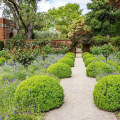
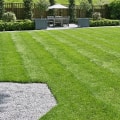
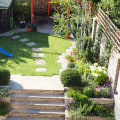
When it comes to patio landscaping, the concept of texture plays a pivotal role in transforming an ordinary outdoor space into a captivating retreat. Texture not only enhances the visual appeal of your patio but also contributes to the overall sensory experience, making it more inviting and enjoyable. By incorporating various materials and elements, you can create a dynamic environment that engages the senses and encourages outdoor living. The importance of texture in landscaping cannot be overstated. It adds depth and dimension to your patio, breaking up monotony and creating focal points that draw the eye.
For instance, combining smooth surfaces like polished stone with rougher textures such as weathered wood or natural stone can create a striking contrast that enhances the aesthetic value of your space. This interplay of textures can evoke feelings of comfort and relaxation, making your patio a perfect spot for gatherings or quiet reflection. Moreover, textured patios offer practical benefits as well. Different materials can provide varying levels of traction, which is essential for safety, especially in wet conditions. Additionally, textured surfaces can help with drainage, preventing water from pooling and ensuring that your outdoor area remains functional year-round.
Ultimately, understanding and implementing texture in your patio landscaping not only elevates its beauty but also enhances its usability, making it a worthwhile investment for any homeowner.
Incorporating Natural Elements for Texture
When it comes to patio landscaping, incorporating natural elements is a fantastic way to add depth and texture to your outdoor space. By thoughtfully selecting plants, rocks, and stones, you can create a visually appealing and inviting atmosphere.Using Plants for Texture
Plants are one of the most effective ways to introduce texture into your patio landscape. Consider a mix of foliage types and colors to create contrast. For instance, pairing the soft, feathery leaves of ornamental grasses with the bold, waxy leaves of succulents can create a dynamic visual effect.Additionally, using climbing plants like vines can add vertical interest and soften hard surfaces.
- Layering: Use plants of varying heights to create layers. Taller plants can serve as a backdrop, while shorter ones can fill in the foreground.
- Seasonal Interest: Choose a variety of plants that bloom at different times of the year to ensure your patio remains vibrant throughout the seasons.
- Textured Foliage: Incorporate plants with different leaf shapes and textures, such as the spiky leaves of agave or the broad leaves of hostas.
Rocks and Stones in Landscaping
In addition to plants, rocks and stones can significantly enhance the texture of your patio landscape. They provide a natural, rustic feel that complements greenery beautifully. Here are some ideas for incorporating these elements:- Pathways: Create pathways using flat stones or gravel.
This not only adds texture but also guides visitors through your space.
- Boulders: Strategically placed boulders can serve as focal points or seating areas, adding both functionality and aesthetic appeal.
- Rock Gardens: Consider building a rock garden with various sizes and types of stones, interspersed with drought-resistant plants for a low-maintenance yet textured look.
Utilizing Hardscaping Features
When it comes to patio landscaping, incorporating hardscaping features is an effective way to add depth and texture to your outdoor space. Hardscaping refers to the non-plant elements of landscape design, such as paved surfaces, walls, and other structures that can enhance the visual appeal of your patio.Pavers and Bricks
- Pavers are a popular choice for patios due to their versatility and variety. Available in different shapes, sizes, and colors, they can be arranged in unique patterns that create visual interest.
Consider using textured pavers that mimic natural stone or have a rough finish to add tactile contrast.
- Bricks offer a classic look and can be used to create a warm, inviting atmosphere. Their inherent texture adds character, especially when laid in herringbone or basketweave patterns. The earthy tones of bricks can complement surrounding greenery beautifully.
Retaining Walls and Edging
- Retaining walls not only serve a functional purpose but also introduce vertical texture to your patio landscape. Constructed from materials like stone, concrete, or timber, these walls can be designed to match your patio's aesthetic while providing additional seating or planting opportunities.
- Edging around flower beds or pathways can further enhance the texture of your patio.
Options like natural stone, metal, or even decorative concrete can create defined borders that add structure and style.
Textured Surfaces
Incorporating textured hardscaping materials such as stamped concrete or exposed aggregate can elevate the overall design of your patio. Stamped concrete allows for creative designs that mimic the look of stone or tile while providing a durable surface. Exposed aggregate offers a unique finish with small stones visible on the surface, adding both grip and visual appeal.By thoughtfully integrating these hardscaping elements into your patio design, you can create a multi-dimensional landscape that invites relaxation and enjoyment while showcasing your personal style.
The Role of Furniture and Accessories in Adding Texture
When it comes to patio landscaping, the choice of furniture and accessories plays a crucial role in enhancing the overall texture and feel of the space. By selecting the right pieces, you can create an inviting atmosphere that encourages relaxation and social interaction.Choosing Textured Furniture
Start with your patio furniture.Opt for materials that offer a variety of textures. For instance, wooden furniture can provide a rustic charm, while metal pieces can add a sleek, modern touch. Consider incorporating cushions and throws made from different fabrics such as cotton, linen, or outdoor-friendly materials that resist fading and moisture. These soft elements not only enhance comfort but also introduce layers of texture.
Incorporating Accessories
Accessories are another vital component in adding texture to your patio landscape.Here are some ideas:
- Outdoor Rugs: A well-placed outdoor rug can define spaces and add warmth underfoot. Look for rugs with intricate patterns or varying pile heights to create visual interest.
- Pillows and Cushions: Mix and match pillows in different shapes, sizes, and fabrics to create a cozy seating area. Textured fabrics like velvet or woven materials can add depth.
- Planters: Use planters made from various materials such as ceramic, terracotta, or metal. The contrast between these materials can enhance the tactile experience of your patio.
- Lighting: Incorporate textured lanterns or string lights to create ambiance.
The interplay of light and shadow can add another layer of depth to your outdoor space.
Layering Textures for Visual Interest
When it comes to patio landscaping, layering different textures is a powerful technique to create depth and visual interest in your outdoor space. By combining various materials and elements, you can transform a flat patio into a dynamic environment that invites exploration and relaxation.1.Mix Hardscapes and Softscapes
- Hardscapes include materials like stone, brick, and concrete, which provide structure and durability.
- Softscapes involve plants, flowers, and grass that add color and life.
2.Varying Plant Heights
Incorporating plants of different heights can significantly enhance the texture of your patio landscape. Use tall ornamental grasses or flowering plants at the back of your patio beds, while placing shorter plants or ground covers in the front.
This layering effect draws the eye upward and creates a sense of depth.
3.Textured Furniture and Accessories
Don’t forget about the furniture and accessories in your patio design. Choose items made from various materials such as wood, metal, or wicker to add tactile variety. A wooden bench paired with metal chairs can create an interesting visual contrast that complements the surrounding landscape.
4.Incorporate Water Features
A water feature, such as a fountain or pond, introduces another layer of texture through sound and movement. The gentle trickle of water adds a soothing element to your patio while reflecting light in unique ways, enhancing the overall ambiance.By thoughtfully layering textures in your patio landscaping, you can create an engaging outdoor space that captivates the senses and encourages outdoor living.
Color and Texture: Finding the Right Balance
When it comes to patio landscaping, achieving a harmonious balance between color and texture is essential for creating an inviting outdoor space.The interplay of these two elements can significantly influence the overall aesthetic and feel of your patio.
Understanding Color Theory in Landscaping
Color theory plays a crucial role in landscaping, as it helps you understand how different colors interact with one another. For instance, warm colors like reds and oranges can create a vibrant atmosphere, while cool colors such as blues and greens tend to evoke calmness. When selecting colors for your patio, consider how they will complement or contrast with the textures present in your landscape.Balancing Color and Texture
To achieve a balanced look, it’s important to consider both the color and texture of your materials. For example, if you choose a rough stone for your patio surface, pairing it with softer, muted colors can create a pleasing contrast that draws attention to the texture.Conversely, if you opt for smooth, sleek materials, vibrant colors can enhance their modern appeal.
Textured Color Palettes for Patios
Creating a textured color palette involves selecting hues that not only look good together but also enhance the tactile experience of your patio. Here are some tips:- Layering Textures: Combine different materials such as wood, stone, and metal to add depth. For instance, a wooden pergola with hanging plants can soften the hard edges of stone pavers.
- Accent Colors: Use accent colors in cushions, planters, or decorative items to introduce pops of color against neutral textures.
- Natural Elements: Incorporate natural elements like plants and flowers that provide both color and texture. Choose foliage with varying leaf shapes and sizes to enhance visual interest.
Maintenance Tips for Textured Patios
Maintaining a textured patio is essential for preserving its aesthetic appeal and functionality.Regular care not only enhances the beauty of your patio landscaping but also extends the lifespan of the materials used. Here are some practical tips to keep your textured patio looking its best:
- Regular Cleaning: Sweep your patio regularly to remove dirt, leaves, and debris. For deeper cleaning, use a pressure washer or a hose with a scrub brush to eliminate stains and grime.
- Sealant Application: Depending on the material of your patio, applying a sealant can protect against moisture and stains. Reapply every few years to maintain its protective layer.
- Weed Control: Weeds can disrupt the texture and appearance of your patio.
Use mulch or ground cover plants to minimize weed growth, and pull any unwanted plants as soon as they appear.
- Repair Cracks Promptly: Inspect your patio regularly for cracks or chips. Addressing these issues quickly can prevent further damage and maintain the integrity of your patio landscaping.
- Seasonal Maintenance: In colder climates, ensure that snow and ice are removed promptly to prevent damage. In warmer months, consider using a garden hose to rinse off any accumulated dust or pollen.
FAQs About Adding Texture to Patio Landscapes
When it comes to patio landscaping, adding texture can significantly enhance the visual appeal and overall atmosphere of your outdoor space.Here are some frequently asked questions regarding this topic:
- What are some effective ways to add texture to my patio?
You can incorporate various materials such as natural stone, wood, and brick to create a textured look. Additionally, using decorative elements like outdoor rugs, cushions, and planters can also contribute to the overall texture. - How do plants contribute to patio texture?
Plants add both visual and physical texture. Consider using a mix of foliage types, such as spiky succulents, soft ferns, and flowering plants, to create a dynamic landscape. Vertical gardens or trellises can also introduce layers of texture. - Can lighting affect the texture of my patio?
Absolutely! The right lighting can highlight the textures of different materials.Use string lights, lanterns, or spotlights to create shadows and depth, enhancing the tactile experience of your patio.
- What role does furniture play in adding texture?
Choosing furniture made from various materials—like metal, wood, or wicker—can add depth to your patio. Mixing different styles and textures in your seating arrangements can create an inviting atmosphere. - Are there any maintenance tips for textured patios?
Regular cleaning is essential to maintain the beauty of textured surfaces. Be sure to use appropriate cleaning methods for each material type to avoid damage while preserving their unique textures.
Conclusion: Transforming Your Patio with Texture
In conclusion, adding texture to your patio landscaping is essential for creating a visually appealing and inviting outdoor space. By incorporating various elements such as plants, materials, and decorative features, you can transform a simple patio into a dynamic environment that engages the senses.Throughout this article, we explored several effective ways to enhance your patio's texture:- Layering plants: Utilizing a mix of tall, medium, and low-growing plants can create depth and interest.
Consider using a combination of evergreens, perennials, and annuals to ensure year-round appeal.
- Diverse materials: Mixing different materials such as stone, wood, and metal can add richness to your patio design. For instance, pairing a wooden deck with stone planters or metal furniture can create a striking contrast.
- Textured surfaces: Opt for textured paving stones or stamped concrete to give your patio a unique look. These surfaces not only enhance aesthetics but also provide better traction.
- Decorative elements: Incorporating features like water fountains, sculptures, or decorative lighting can introduce additional layers of texture and visual interest.
Remember that the goal is to create a harmonious balance that reflects your personal style while inviting relaxation and enjoyment.As you embark on your patio transformation journey, keep these strategies in mind to ensure your landscape is both beautiful and engaging. With careful planning and creativity, your patio can become a textured oasis that enhances your outdoor living experience.