When embarking on patio landscaping, one of the first and most critical steps is to thoroughly assess your patio environment. This involves understanding the unique conditions that your outdoor space presents, which can significantly influence the success of your plant choices. Factors such as sunlight exposure, climate considerations, and soil type play pivotal roles in determining which plants will thrive in your patio landscape. Sunlight exposure is perhaps the most immediate factor to consider. Different plants have varying light requirements; some flourish in full sun, while others prefer partial shade or even full shade.
Observing how sunlight moves across your patio throughout the day will help you identify the best spots for sun-loving plants versus those that require more sheltered conditions. Additionally, understanding your local climate is essential. Whether you live in a region with hot summers, cold winters, or a temperate climate will dictate which plants are suitable for your patio. Equally important is the soil type in your patio area. Conducting a simple soil test can reveal its pH level and nutrient content, guiding you toward plants that will thrive in those specific conditions.
For instance, sandy soils drain quickly and may require drought-tolerant plants, while clay soils retain moisture and may support more water-loving varieties. By taking the time to evaluate these environmental factors, you set the stage for a vibrant and sustainable patio landscape that not only enhances your outdoor living space but also aligns with the natural ecosystem of your area.
Defining Your Aesthetic Goals
When embarking on patio landscaping, defining your aesthetic goals is crucial to creating a cohesive and inviting outdoor space. Start by considering the various design styles that resonate with you. Whether you prefer a modern minimalist look, a rustic farmhouse vibe, or a lush tropical retreat, your choice will influence the types of plants and materials you select.Color schemes
play a significant role in patio design.Think about the colors that will complement your home and surrounding environment. For instance, if your home features warm earth tones, consider plants with similar hues or vibrant greens to create contrast. Alternatively, a monochromatic palette can evoke a sense of calm and sophistication.
Plant Textures
The textures of plants can add depth and interest to your patio landscape. Mixing different leaf shapes and sizes—such as the broad leaves of hostas with the fine foliage of ornamental grasses—can create a dynamic visual experience.Additionally, consider incorporating plants with varying heights to establish layers and enhance the overall design.
Seasonal Interest
To ensure your patio remains visually appealing throughout the year, it’s essential to plan for seasonal interest. Choose a combination of evergreen plants for year-round structure, along with perennials that bloom at different times. This approach not only provides color but also keeps your landscape vibrant and engaging across all seasons.In summary, by thoughtfully defining your aesthetic goals through design styles, color schemes, plant textures, and seasonal interest, you can create a stunning patio landscape that reflects your personal style while enhancing your outdoor living experience.Choosing the Right Plants for Your Space
When it comes to patio landscaping, selecting the right plants is crucial for creating a vibrant and inviting outdoor space. Here are some key considerations to keep in mind:Best Plants for Patios
Choosing plants that thrive in patio environments can enhance your outdoor experience.Consider the following:
- Herbs: Basil, rosemary, and thyme not only add greenery but also provide fresh ingredients for your kitchen.
- Succulents: Varieties like Echeveria and Sedum are perfect for small spaces and require minimal care.
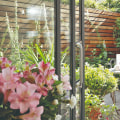
- Container-friendly flowers: Petunias and geraniums can bring color and fragrance to your patio.
Low-Maintenance Plants
If you prefer a hassle-free garden, opt for low-maintenance plants that require less attention:- Ornamental grasses: Varieties such as Blue Fescue or Feather Reed Grass add texture without demanding much upkeep.
- Perennials: Plants like daylilies and hostas come back year after year with minimal effort.
- Cacti: Ideal for sunny patios, they thrive on neglect and add a unique aesthetic.
Drought-Resistant Plants
For those in arid climates or looking to conserve water, consider these drought-resistant options:- Lavender: This fragrant plant not only withstands dry conditions but also attracts pollinators.
- Sage: With its aromatic leaves, sage is both beautiful and resilient in dry soil.
- Aloe Vera: Known for its medicinal properties, this succulent thrives on minimal water.
Incorporating Vertical Elements and Containers
When it comes to patio landscaping, incorporating vertical elements and container gardening can significantly enhance the aesthetic appeal and functionality of your outdoor space. These techniques are particularly beneficial for those with limited square footage, allowing you to maximize your garden's potential.Benefits of Vertical Gardening
Vertical gardening involves growing plants upwards rather than outwards, which can create a stunning visual impact while saving valuable ground space. This method is ideal for small patios where floor area is at a premium.By using trellises, wall planters, or hanging pots, you can introduce a variety of plants that add height and dimension to your landscape.
Choosing Space-Saving Plants
When selecting plants for vertical gardening, consider space-saving plants such as:- Climbing vines: Varieties like clematis, hops, and morning glories can quickly cover vertical structures.
- Compact shrubs: Look for dwarf varieties that maintain a small footprint while providing lush greenery.
- Herbs: Many herbs thrive in vertical setups and can be both decorative and functional in your patio landscape.
Creative Container Arrangements
Container gardening is another effective strategy for patio landscaping. It allows you to group plants together in pots, making it easy to rearrange them as needed. Here are some tips for creating eye-catching arrangements:- Vary heights: Use containers of different heights to create layers and visual interest.
- Mix textures: Combine plants with varying leaf shapes and colors to enhance the overall look.
- Add seasonal interest: Incorporate annuals that bloom at different times to ensure your patio remains vibrant throughout the year.
Maintenance Considerations for Patio Plants
When it comes to patio landscaping, maintenance is a crucial factor that can significantly impact the health and appearance of your plants.Understanding the specific needs of your chosen plants will help you create a vibrant and thriving outdoor space.
Watering Needs
Different plants have varying watering needs, which can depend on factors such as species, size, and environmental conditions. Here are some tips to consider:- Group plants by water requirements: Place plants with similar watering needs together to simplify your irrigation routine.
- Check soil moisture: Before watering, check the top inch of soil. If it feels dry, it’s time to water.
- Use mulch: Applying a layer of mulch can help retain moisture in the soil and reduce the frequency of watering.
Pruning Requirements
Regular pruning is essential for maintaining the shape and health of your patio plants. Here are some key points:- Know the right time: Different plants have specific pruning seasons.
Research your plants to determine the best time for pruning.
- Remove dead or diseased branches: This helps prevent the spread of pests and diseases while promoting healthy growth.
- Encourage new growth: Pruning can stimulate new growth, making your patio landscape more lush and vibrant.
Pest Management
Pests can pose a significant threat to your patio plants. Implementing effective pest management strategies is vital for keeping your landscape healthy:- Regular inspections: Check your plants frequently for signs of pests or disease, such as discolored leaves or webbing.
- Natural remedies: Consider using organic pest control methods, such as neem oil or insecticidal soap, to minimize chemical exposure.
- Diversity is key: Planting a variety of species can help deter pests, as many insects prefer specific plants.
Creating a Cohesive Design with Hardscaping Elements
When it comes to patio landscaping, the integration of hardscaping elements is crucial for creating a cohesive and inviting outdoor space. Hardscaping refers to the non-plant elements of your landscape, such as stones, pathways, and outdoor furniture, which can significantly influence the overall aesthetic and functionality of your patio.Incorporating Stones
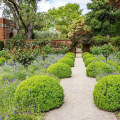
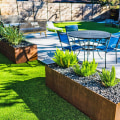
Using stones in your patio design can add texture and visual interest. Consider options like flagstone, pavers, or gravel to create a durable surface that complements your chosen plants.For instance, a flagstone patio can provide a rustic charm that pairs beautifully with low-growing ground covers or vibrant flowering plants. Additionally, using stones to create raised beds or borders can help define spaces and enhance the overall layout.
Designing Pathways
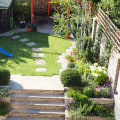
Pathways are essential for guiding movement through your patio landscape. They can be made from various materials, including bricks, concrete, or natural stone. When designing pathways, consider their width and shape; curved paths often create a more relaxed feel, while straight paths can lend a formal touch.Integrating plants along the edges of these pathways not only softens the hard surfaces but also adds color and fragrance, enhancing the sensory experience of your outdoor space.
Outdoor Furniture Integration
The choice of outdoor furniture is another critical aspect of hardscaping that affects your patio's design. Select furniture that complements the materials used in your hardscaping. For example, wooden furniture pairs well with natural stone patios, while metal furniture can enhance modern designs. Ensure that the layout allows for easy movement and interaction with both plants and hardscaping features.Adding cushions or decorative elements can further tie together the look of your patio.Ultimately, achieving a cohesive design in patio landscaping requires careful consideration of how hardscaping elements interact with plant selections. By thoughtfully integrating stones, pathways, and furniture, you can create an inviting outdoor environment that reflects your personal style while providing functionality and beauty.
FAQs About Patio Landscaping Plant Selection
When it comes to patio landscaping, selecting the right plants can significantly enhance the aesthetic and functionality of your outdoor space. Here are some frequently asked questions that can guide you in making informed decisions.What types of plants are best for patio landscaping?
Choosing the right plants depends on several factors, including climate, sunlight, and your personal style. Here are some popular options:- Perennials: These plants return year after year, providing consistent beauty with minimal effort.
- Annuals: Great for adding seasonal color, annuals bloom for one season and can be replaced each year.
- Shrubs: They offer structure and can be used as borders or focal points in your patio design.
- Container plants: Ideal for small spaces, container gardening allows for flexibility and easy rearrangement.
What should I consider when selecting plants?
Here are some key considerations:- Sunlight: Assess how much sun your patio receives daily.
Choose sun-loving plants for bright areas and shade-tolerant varieties for darker spots.
- Climate: Select plants that thrive in your local climate zone to ensure they flourish throughout the seasons.
- Maintenance: Consider how much time you can dedicate to plant care. Low-maintenance options are ideal for busy lifestyles.
- Aesthetics: Think about color schemes and textures that complement your existing patio decor.
Is there a best season for planting?
The best time to plant varies by region, but generally:- Spring: This is often the best time to plant perennials and annuals as the weather warms up.
- Fall: Planting in early fall allows roots to establish before winter, especially for perennials and shrubs.