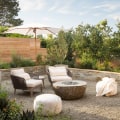
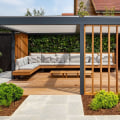
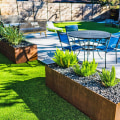
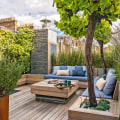
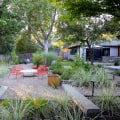
In the realm of patio landscaping, the incorporation of seating areas is not merely an aesthetic choice; it is a fundamental aspect that transforms outdoor spaces into inviting retreats. As homeowners increasingly seek to extend their living areas beyond the confines of their homes, the importance of well-designed seating areas cannot be overstated. These spaces serve as a focal point for relaxation, social interaction, and enjoyment of nature, making them essential for any successful patio design. Seating areas enhance the functionality of your patio by providing comfortable spots for family gatherings, intimate dinners, or simply unwinding with a good book. When thoughtfully integrated into your patio landscaping, these areas can create a seamless flow between indoor and outdoor living, encouraging more time spent outside.
Moreover, they can be tailored to fit various styles and preferences, from cozy nooks surrounded by lush greenery to spacious arrangements perfect for entertaining guests. Beyond their practical benefits, seating areas contribute significantly to the overall ambiance of your outdoor space. They invite people to linger and enjoy the surroundings, fostering a sense of community and connection with nature. By carefully considering the placement, materials, and design of your seating options, you can enhance not only the beauty of your patio but also its ability to serve as a cherished gathering place for friends and family.
Assessing Your Patio Space for Seating Arrangements
When planning your patio landscaping, the first step is to assess your patio space. Understanding the dimensions and layout of your patio will help you make informed decisions about seating arrangements that enhance both functionality and aesthetics.1.Measure Your Space
- Begin by measuring the length and width of your patio.
This will give you a clear idea of how much room you have to work with.
- Consider the height of any existing structures, such as railings or walls, which may impact your seating options.
2.Evaluate the Shape
- Is your patio rectangular, square, or an irregular shape? The shape will influence how you arrange seating.
- For example, a long, narrow patio may benefit from a linear arrangement of seating, while a square patio could accommodate a more centralized layout.
3.Identify Existing Features
- Take note of any existing features such as fire pits, gardens, or water elements. These can serve as focal points around which to arrange your seating.
- Ensure that your seating does not obstruct pathways or access to these features.
4.Consider Traffic Flow
- Think about how people will move through the space. Leave enough room for comfortable movement between seating areas and other elements.
- Avoid overcrowding the patio with too much furniture; instead, aim for a balanced layout that encourages social interaction.
5.Explore Seating Arrangement Ideas
- Consider various types of seating such as benches, chairs, or even built-in seating options that can maximize space.
- Create distinct areas for different activities—like dining, lounging, or entertaining—to enhance the usability of your patio.
Choosing the Right Seating Options for Your Patio
When it comes to patio landscaping, selecting the right seating options is crucial for creating a comfortable and inviting outdoor space. The variety of outdoor furniture available can cater to different styles, preferences, and functional needs.Types of Patio Seating
- Chairs: From classic Adirondack chairs to modern metal designs, chairs can add personality to your patio.
Look for options with weather-resistant materials like aluminum or teak that can withstand the elements.
- Benches: A bench can serve as both seating and a decorative element. Consider built-in benches for a seamless look or standalone pieces that can be moved around as needed.
- Loungers: For those lazy afternoons, a lounge chair or chaise is perfect for soaking up the sun. Opt for cushioned loungers with removable covers for easy cleaning.
Materials Matter
The material of your patio seating not only affects the aesthetic but also the comfort and durability. Here are some popular choices:- Wood: Timeless and warm, wood seating can blend beautifully with natural surroundings.
Ensure it’s treated for outdoor use to prevent rot.
- Metal: Aluminum and wrought iron are sturdy options that can withstand harsh weather. They often come in various styles, from sleek modern to ornate traditional.
- Plastic and Resin: These materials are lightweight, easy to maintain, and often come in vibrant colors, making them ideal for a casual patio vibe.
Comfort is Key
No matter the style you choose, comfort should be a priority. Look for seating with adequate cushioning and ergonomic designs. Adding outdoor cushions or pillows can enhance comfort while allowing you to introduce color and texture into your patio landscaping.In summary, when selecting seating for your patio, consider the types of furniture that best suit your space, the materials that will endure the elements, and the comfort level you desire.By thoughtfully choosing your seating options, you can create an inviting atmosphere that encourages relaxation and enjoyment in your outdoor oasis.
Incorporating Seating Areas into Your Landscape Design
Incorporating seating areas into your patio landscaping design not only enhances the aesthetic appeal of your outdoor space but also increases its functionality. Here are some effective strategies to seamlessly integrate seating into your landscape design.- Consider Placement: The location of your seating area is crucial. Aim to position seating where it can take advantage of natural views, such as a garden, water feature, or sunset. Ensure that the seating is easily accessible from the main pathways and other areas of your patio.
- Choose the Right Materials: Select materials that complement your existing landscape.
For instance, if you have a rustic garden, wooden benches or stone seating can blend beautifully. For a modern look, consider sleek metal or concrete options.
- Create Zones: Use seating to define different areas within your patio. For example, a cozy nook with chairs and a small table can serve as a reading corner, while a larger dining set can be designated for meals and gatherings.
- Add Comfort: Enhance the comfort of your seating with cushions and throws that match your color scheme. This not only makes the space inviting but also allows for personalization.
- Incorporate Shade: To make your seating area more enjoyable during hot days, consider adding shade elements like umbrellas, pergolas, or strategically placed trees.
This will encourage longer use of the space.
- Enhance Visual Appeal: Surround your seating with plants and flowers to create a lush environment. Use planters or hanging baskets to add vertical interest and soften hard edges.
Creating Cozy and Functional Outdoor Living Spaces
Creating a cozy and functional outdoor living space on your patio involves thoughtful planning and design. By integrating seating areas with other elements, you can transform your patio into a welcoming retreat.1.Choose the Right Seating
- Consider comfortable options like cushioned chairs, loveseats, or even a hammock for relaxation.
- Incorporate versatile furniture that can be easily rearranged to accommodate gatherings or quiet evenings.
- Opt for weather-resistant materials to ensure durability and longevity.
2.Layer Your Lighting
- Use a combination of ambient, task, and accent lighting to create a warm atmosphere.
- String lights or lanterns can add a magical touch, while spotlights can highlight specific features like plants or artwork.
- Consider installing dimmers to adjust the brightness according to the occasion.
3.Incorporate Greenery
- Add potted plants or vertical gardens to bring life and color to your patio.
- Choose plants that thrive in your climate and require minimal maintenance.
- Use planters that complement your seating style for a cohesive look.
4.Accessorize Thoughtfully
- Add outdoor rugs to define seating areas and provide comfort underfoot.
- Include throw pillows and blankets for added coziness, especially during cooler evenings.
- Incorporate decorative elements like sculptures or water features to enhance the aesthetic appeal.
Maintaining Your Patio Seating Areas
To ensure your patio seating areas remain inviting and functional, regular maintenance is essential.Here are some effective tips for caring for your outdoor furniture:
- Regular Cleaning: Dust and debris can accumulate quickly on patio furniture. Use a soft brush or cloth to wipe down surfaces regularly. For deeper cleaning, a mixture of mild soap and water can be used. Rinse thoroughly and allow to dry completely to prevent mold and mildew.
- Protective Measures: Consider using furniture covers when your seating areas are not in use.
These covers can shield your furniture from harsh weather conditions, UV rays, and dirt. Additionally, placing your furniture in a shaded area can help reduce fading caused by sun exposure.
- Seasonal Care: Before winter or heavy rain seasons, store cushions indoors to prevent water damage and mold growth. If you have metal furniture, check for rust spots and treat them promptly with rust-inhibiting paint.
- Inspect for Damage: Regularly check your patio furniture for signs of wear and tear. Tighten screws, replace broken parts, and consider refinishing wooden pieces to maintain their appearance and longevity.
FAQs About Incorporating Seating Areas into Patio Landscaping
Incorporating seating areas into your patio landscaping can enhance both functionality and aesthetics.Here are some frequently asked questions that can help guide your design choices:
- What types of seating are best for patios? When selecting seating for your patio, consider options like benches, adirondack chairs, or even built-in seating. Each type offers different benefits; for instance, benches can accommodate more people, while adirondack chairs provide a cozy, relaxed vibe.
- How do I choose the right location for seating? The location of your seating area is crucial. Aim for spots that offer shade during hot days and are sheltered from wind. Additionally, consider views—positioning seats to face a garden or water feature can create a more inviting atmosphere.
- What materials should I use for patio seating? Select materials that complement your overall patio landscaping.
Options like wood, metal, or stone can blend seamlessly with natural surroundings. Ensure that the materials are durable and weather-resistant to withstand outdoor conditions.
- How can I make my seating area more comfortable? Add cushions and throws to your seating to enhance comfort. Consider using outdoor fabrics that are resistant to fading and moisture. Additionally, incorporating elements like side tables or fire pits can create a more inviting space.
- What are some tips for arranging seating? Create a conversational layout by grouping chairs and benches together.
Ensure there’s enough space between seats for easy movement, typically around 3 feet. This arrangement encourages interaction and makes the area feel more welcoming.
Conclusion: Designing Your Perfect Patio with Seating Areas
Incorporating seating areas into your patio landscaping design is not just about adding furniture; it’s about creating a cohesive outdoor space that enhances your lifestyle. Throughout this article, we’ve explored various strategies to seamlessly integrate seating into your patio, ensuring that it complements both the aesthetic and functional aspects of your landscape.First and foremost, consider the layout of your patio. A well-planned layout allows for natural flow and accessibility, making it easier for guests to move around and enjoy the space.Whether you opt for a cozy nook or an expansive gathering area, the arrangement should encourage conversation and relaxation.Next, the choice of materials plays a crucial role in the overall design. Selecting weather-resistant materials that harmonize with your existing landscape will not only enhance durability but also create a visually appealing environment. From natural stone to composite decking, the right materials can elevate your patio’s aesthetic.Additionally, don’t underestimate the power of landscaping elements. Incorporating plants, lighting, and decorative features can transform a simple seating area into an inviting retreat.
Consider using planters or trellises to create privacy and define spaces, while strategically placed lighting can extend the usability of your patio into the evening hours.Finally, remember that comfort is key. Invest in quality seating options that provide both style and support. Cushions, throws, and even outdoor rugs can add layers of comfort and warmth to your seating areas.In conclusion, thoughtful integration of seating areas into your patio landscaping design not only enhances functionality but also enriches your outdoor experience. By focusing on layout, materials, landscaping elements, and comfort, you can create a stunning patio that serves as an extension of your home and a perfect spot for relaxation and entertainment.