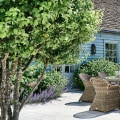
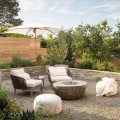
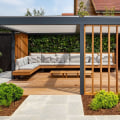
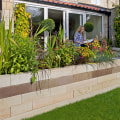
In the realm of patio landscaping, the significance of privacy cannot be overstated. As outdoor spaces become extensions of our homes, the need for a comfortable and secluded environment grows increasingly important. Privacy screens serve as essential elements in achieving this goal, allowing homeowners to create intimate settings that foster relaxation and enjoyment. Whether you are hosting a gathering or simply unwinding after a long day, having a private patio can enhance your overall outdoor experience. Moreover, incorporating privacy into your patio landscape not only shields you from prying eyes but also helps to define your space.
This definition is crucial in urban areas where homes are closely situated. By utilizing privacy screens, you can establish a personal oasis that feels separate from the hustle and bustle of daily life. These screens can be crafted from various materials, including wood, metal, or even living plants, each offering unique aesthetic and functional benefits. The benefits of prioritizing privacy in outdoor spaces extend beyond mere seclusion. A well-designed patio with effective privacy solutions can significantly enhance your property’s value and appeal.
It creates an inviting atmosphere that encourages outdoor living, making it a desirable feature for potential buyers. Additionally, privacy screens can help reduce noise pollution and shield against harsh winds, further contributing to a serene outdoor environment.
Types of Privacy Screens for Patios
When it comes to patio landscaping, incorporating privacy screens can significantly enhance your outdoor space by providing seclusion and style. Here are some popular types of privacy screens to consider:- Natural Screens: Utilizing plants and trees is one of the most organic ways to create privacy. Options like tall hedges, bamboo, or climbing vines can serve as effective barriers while adding beauty to your patio.
Consider using evergreen plants for year-round coverage.
- Built Screens: For a more permanent solution, built privacy screens made from materials like wood, vinyl, or metal can be customized to fit your patio's aesthetic. These can be designed as solid walls or slatted panels that allow light while blocking views.
- Decorative Screens: If you want to add an artistic touch, decorative privacy screens made from laser-cut metal or patterned wood can serve as both a functional and visual element. These screens can be used as standalone features or integrated into existing structures.
- Retractable Screens: For flexibility, consider installing retractable screens that can be drawn when needed and hidden away when not in use. This option is particularly useful for patios that are used for entertaining.
By thoughtfully selecting the right type of privacy screen, you can create a serene outdoor retreat that feels both inviting and secluded.
Incorporating Natural Elements into Your Patio Privacy Design
When it comes to patio landscaping, incorporating natural elements can create a serene and private outdoor space. Using plants, trees, and shrubs as natural privacy screens not only enhances the aesthetic appeal of your patio but also promotes an eco-friendly environment.Choosing the Right Plants
Selecting the right plants is crucial for effective privacy screening. Consider using tall, dense shrubs such as arborvitae, boxwood, or laurel. These plants can grow to significant heights and provide a lush green backdrop that shields your patio from prying eyes.Additionally, flowering shrubs like hydrangeas or lilacs can add color and fragrance while maintaining privacy.
Utilizing Trees for Added Coverage
Trees are another excellent option for creating a natural barrier. Planting deciduous trees like maples or oaks can provide shade and privacy during the summer months, while evergreens such as pines or cedars offer year-round coverage. Positioning these trees strategically around your patio can help block wind and noise, enhancing your outdoor experience.Layering for Depth and Texture
A well-designed privacy screen often involves layering different types of plants. Start with taller trees at the back, followed by medium-sized shrubs, and finish with lower-growing plants or ornamental grasses in the front.This layering technique not only creates depth but also adds texture to your landscape.
Sustainable Practices in Landscaping
Incorporating native plants into your patio landscaping is a sustainable choice that supports local wildlife and requires less maintenance. Native species are adapted to the local climate and soil conditions, making them more resilient and less reliant on water and fertilizers.By thoughtfully integrating these natural elements into your patio design, you can create a beautiful, private oasis that aligns with sustainable landscaping practices. Embrace the beauty of nature while enjoying the tranquility of your outdoor space.Building Custom Privacy Screens: DIY Ideas and Tips
Creating custom privacy screens for your patio can enhance both the aesthetics and functionality of your outdoor space. Here are some DIY privacy screen ideas that you can easily implement.1.Wooden Lattice Screens
A wooden lattice screen is a classic choice for patio landscaping.It allows light and air to flow while providing a degree of privacy. To build one:
- Choose treated lumber for durability.
- Cut the wood into desired sizes, typically 4x8 feet panels.
- Assemble the lattice by attaching smaller slats to a frame.
- Secure the screen in place using concrete footings or attach it to existing structures.
2.Fabric Panels
If you prefer a softer look, consider using fabric panels. These can be hung from a frame or existing structures:- Select outdoor fabric that is UV-resistant and weatherproof.
- Create a simple frame using PVC pipes or wood.
- Attach the fabric securely, ensuring it can withstand wind and rain.
3.Vertical Gardens
A vertical garden not only serves as a privacy screen but also adds greenery to your patio. To create one:- Use wall-mounted planters or trellises.
- Select plants that thrive in your climate and require minimal maintenance.
- Arrange plants to create a dense barrier for added privacy.
Incorporating elements like lighting or decorative features can enhance the visual appeal of your screens. Don't hesitate to experiment with different materials and styles to find what best suits your space!
Using Decorative Elements to Enhance Privacy on Your Patio
Incorporating decorative elements into your patio landscaping not only enhances privacy but also elevates the overall aesthetic of your outdoor space. By thoughtfully selecting and arranging these elements, you can create a serene retreat that feels both intimate and stylish.Utilizing Trellises for Vertical Privacy
Trellises are an excellent way to add height and structure to your patio while providing a natural barrier. You can train climbing plants such as vines or flowering climbers to grow on these structures, creating a lush green wall that offers both privacy and beauty.Consider using trellises made from materials like wood or metal that complement your existing patio decor.
Adding Curtains for Softness and Flexibility
Outdoor curtains are another versatile option for enhancing privacy. They can be hung from a pergola or a sturdy rod attached to the wall, allowing you to easily open or close them as needed. Choose fabrics that are weather-resistant and come in colors or patterns that harmonize with your patio's theme. This not only provides a sense of enclosure but also adds a touch of elegance.Incorporating Art for Personal Touch
Artistic elements such as sculptures, wall hangings, or decorative panels can serve dual purposes: enhancing privacy while showcasing your personal style.For instance, a large decorative screen can act as a focal point while blocking unwanted views. Look for pieces that reflect your taste—whether modern, rustic, or eclectic—to create a cohesive look.
Using Planters for Natural Barriers
Strategically placed planters filled with tall grasses or shrubs can create natural barriers that enhance privacy without feeling confining. Opt for container gardens that match your patio's color scheme and design. This approach not only provides seclusion but also introduces greenery, contributing to a vibrant outdoor atmosphere.By integrating these decorative elements, you can transform your patio into a private oasis that is both functional and visually appealing.Whether you choose trellises, curtains, art, or planters, each element plays a crucial role in achieving the perfect balance between privacy and style.
Integrating Privacy Screens with Other Landscaping Features
Incorporating privacy screens into your patio landscaping can significantly enhance both the aesthetic appeal and functionality of your outdoor space. To achieve a harmonious look, it’s essential to integrate these screens with other landscaping features.1.Complementing Furniture
- Choose furniture that matches the style of your privacy screens. For instance, if you opt for a modern wooden screen, consider sleek, contemporary furniture pieces that echo this design.
- Position seating areas strategically to take advantage of the privacy offered by the screens. This not only creates intimate spaces but also encourages social interaction.
2.Enhancing Lighting
- Incorporate lighting elements that highlight your privacy screens.
Use uplights to cast a warm glow on the screens at night, creating a cozy atmosphere.
- Consider string lights or lanterns hung near the screens to add charm and functionality, making your patio usable after dark.
3.Designing Pathways
- Create pathways that lead to and from your privacy screens, guiding guests through your patio landscape. Use materials like stone or gravel that complement the screen’s texture.
- Integrate plants along the pathways that mirror the greenery around your privacy screens, ensuring a seamless transition between different areas of your patio.
Maintaining Your Privacy Screens: Best Practices
Maintaining your privacy screens is essential for ensuring they remain both effective and visually appealing in your patio landscaping. Different materials require different care, so understanding the specific needs of your privacy screens can significantly enhance their longevity.Regular Cleaning
Regardless of the material, regular cleaning is crucial.For wooden screens, use a soft brush or cloth to remove dirt and debris. A gentle soap solution can help eliminate stains without damaging the wood. For vinyl or metal screens, a simple rinse with a garden hose followed by a wipe-down with a mild detergent will suffice. Avoid harsh chemicals that could degrade the material over time.
Inspect for Damage
Periodically inspect your privacy screens for any signs of wear or damage.Look for cracks in wood, rust on metal, or fading in vinyl. Early detection allows for timely repairs, which can prevent more extensive damage and costly replacements.
Weather Protection
Consider applying a protective sealant to wooden screens to guard against moisture and UV damage. For metal screens, a rust-resistant paint can help maintain their appearance and functionality. If you live in an area with extreme weather conditions, consider using covers during harsh seasons to protect your investment.Trimming and Pruning
If your privacy screen incorporates plants, regular trimming is necessary to maintain their shape and health.Overgrown plants can detract from the screen's effectiveness and may even cause structural damage if they become too heavy. Ensure that any climbing plants are properly supported and pruned back as needed.
Seasonal Maintenance
- Spring: Clean thoroughly and check for any winter damage.
- Summer: Monitor plant growth and water as needed.
- Fall: Remove fallen leaves and debris to prevent mold growth.
- Winter: Protect against snow accumulation on wooden structures.
FAQs About Patio Landscaping and Privacy Screens
When considering patio landscaping with privacy screens, many homeowners have questions about functionality, aesthetics, and maintenance. Here are some frequently asked questions that can help clarify these concerns.What are the benefits of using privacy screens in patio landscaping?
Privacy screens offer several advantages:- Enhanced Privacy: They create a secluded space, allowing you to enjoy your patio without feeling exposed to neighbors or passersby.
- Aesthetic Appeal: Available in various materials and designs, privacy screens can complement your overall landscaping theme.
- Noisy Environment Reduction: Certain screens can help absorb sound, making your outdoor area more peaceful.
What materials are best for privacy screens?
Common materials used for privacy screens include:- Wood: Offers a natural look and can be customized with stains or paints.
- Vinyl: Durable and low-maintenance, vinyl screens come in various styles.
- Bamboo: Provides an exotic feel and is eco-friendly.
- Metal: For a modern touch, metal screens can be designed with intricate patterns.
How do I maintain my privacy screens?
The maintenance of your privacy screen will depend on the material:- Wood: Regularly check for rot or insect damage; apply sealant annually.
- Vinyl: Clean with soap and water to prevent discoloration.
- Bamboo: Inspect for mold and treat as necessary; replace damaged sections promptly.
- Metal: Look for rust spots and repaint as needed to maintain appearance.
Conclusion: Creating Your Ideal Private Patio Oasis
In conclusion, creating your ideal private patio oasis is not just about aesthetics; it’s about enhancing your outdoor experience through thoughtful patio landscaping. By incorporating privacy screens, you can transform your patio into a serene retreat that offers both comfort and seclusion. Throughout this article, we explored various ways to integrate privacy screens into your patio design.Here are some key takeaways:
- Material Selection: Choose materials that complement your existing landscape, such as wood, metal, or natural plants.
- Height and Placement: Consider the height and placement of your privacy screens to effectively block unwanted views while maintaining an open feel.
- Design Integration: Use decorative elements like trellises or lattice to blend privacy screens seamlessly into your overall design.
- Plant Choices: Incorporate tall shrubs or climbing plants to create a natural barrier that enhances both privacy and beauty.